Tipping Culture in Lisbon: What’s Expected and What’s Optional
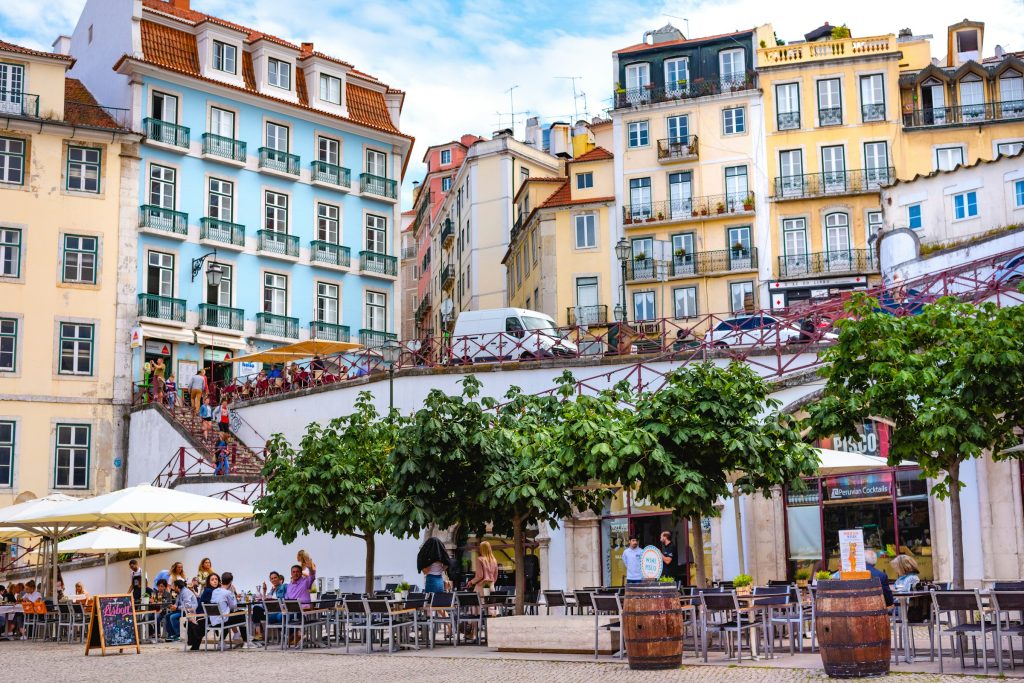
Arriving in Lisbon often means adjusting to small cultural differences that are not immediately obvious. Tipping is one of them. Portugal does not follow a strict gratuity system, yet visitors frequently find themselves unsure when the bill arrives.
Tipping culture in Lisbon sits somewhere between casual and situational. Service staff receive a regular wage, but leaving something extra for good service is appreciated in certain contexts. At the same time, some restaurants may include a service charge, and payment terminals occasionally suggest optional tips. With card payments widely used across the city, the process can feel slightly unclear for travellers unfamiliar with local customs.
Many visitors pause and ask themselves, do you tip in Lisbon at all, and if so, how much to tip in Lisbon without overdoing it? The answer depends on the setting, the level of service, and whether anything has already been added to the bill. Understanding how tipping etiquette in Lisbon works helps avoid double tipping, unnecessary spending, or awkward uncertainty at the table.
The Essence of Tipping Culture in Lisbon
To understand tipping etiquette in Lisbon, it helps to begin with one central idea: tips are considered a gesture of appreciation, not a mandatory part of someone’s income. Hospitality workers in Portugal receive a standard wage, and their salary does not officially depend on gratuities in the way it does in some other countries.
This makes the overall atmosphere around tipping more relaxed. There is no strong social pressure to calculate a fixed percentage, and no expectation that every service automatically requires something extra. Instead, leaving a tip is usually linked to how attentive, friendly, or professional the experience felt.
In restaurants, a common range for good service is around 5 to 10 percent, though many locals simply round up the total rather than calculating exact figures. The decision is flexible and reflects satisfaction rather than obligation. If the service felt average, rounding up to a convenient amount is often enough. If it stood out, adding a little more feels natural.
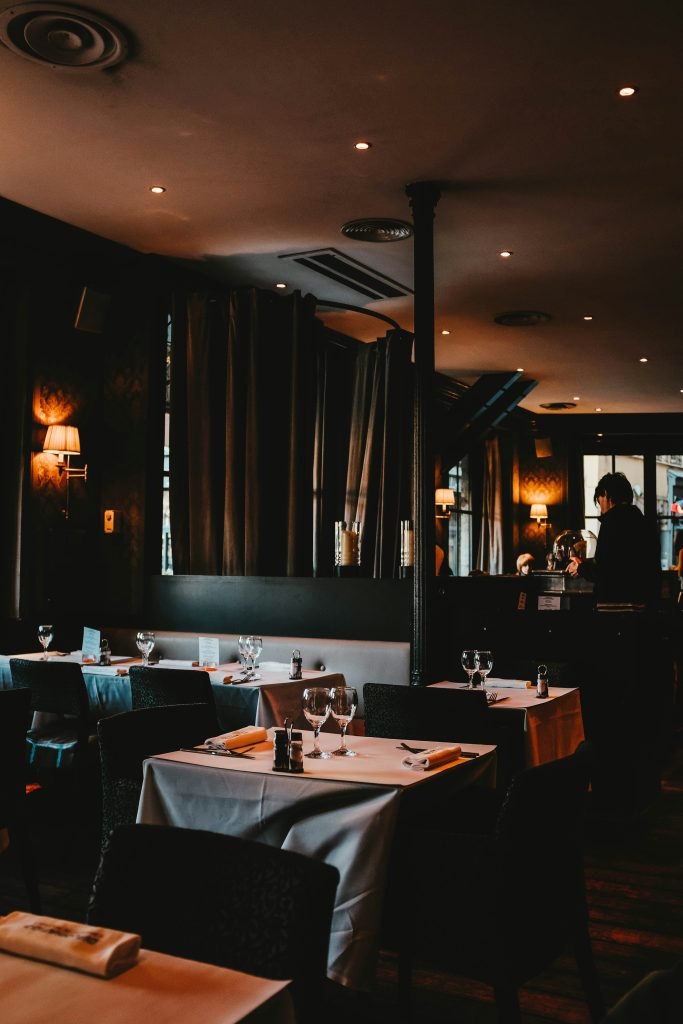
There are also situations where tipping is not expected at all. In self service environments, quick counter orders, or minimal interaction scenarios, paying the listed price is completely normal. Similarly, if the service was clearly poor, leaving nothing is not considered inappropriate. In Lisbon, tipping follows common sense more than rigid rules, which makes it easier once you understand the local rhythm.
Restaurants in Lisbon: The Main Scenario
For most visitors, restaurants are where tipping feels most uncertain. This is also the setting where small details on the bill matter the most, so the first step is always to check it carefully before deciding whether to leave anything extra.
Check the Bill First
Before thinking about how much to tip in Lisbon, look closely at the receipt. You may see phrases such as service charge, serviço incluído, or something indicating that service has already been added. In Lisbon, automatic service charges are not as common as in some tourist heavy areas, but they do appear occasionally, especially for larger groups or in more central areas.
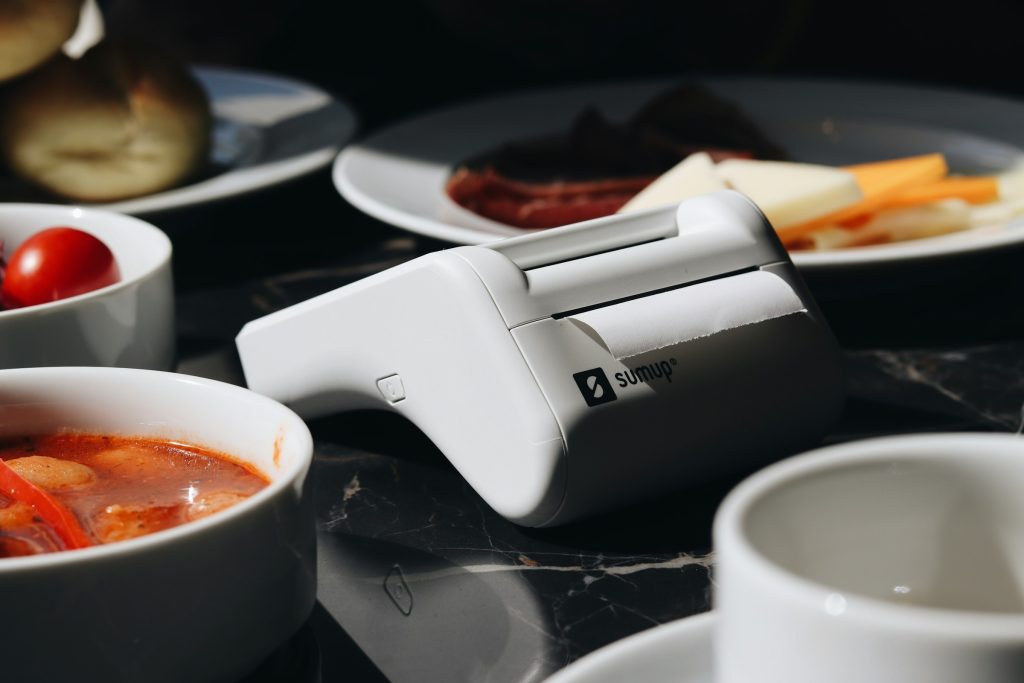
If a service charge has already been included, you are not expected to add anything more. In most cases, that amount covers the gratuity. If the service was exceptional and you wish to leave something additional, it would usually be a small symbolic amount rather than another percentage.
If Service Is Not Included
If there is no service charge on the bill, leaving something for good service is common but still flexible. In sit down restaurants, around 5 to 10 percent is generally considered appropriate for attentive service. Many locals prefer to round up the total instead of calculating an exact percentage. For example, adjusting the final amount to a convenient figure often feels natural and sufficient.
In more casual settings, rounding up may be enough. In higher end restaurants, where service is more detailed and paced over a longer meal, staying closer to the upper end of the range feels proportionate. There is no strict rule, and tipping etiquette in Lisbon allows for personal judgement based on the experience.
As in many places, tips are often shared among staff rather than going directly to one individual. This means the gesture recognises the broader team involved in your meal. The key point is flexibility: in Lisbon restaurants, tipping rewards good service rather than fulfilling a fixed obligation.
How to Leave a Tip in Lisbon
Once you decide to leave something extra, the process itself is usually straightforward. Card payments are widely accepted across Lisbon, from central restaurants in Baixa and Chiado to neighbourhood spots in Alfama or Príncipe Real. Most establishments use modern payment terminals, and in some cases the screen may display optional tipping suggestions before you confirm the payment.
These prompts are not mandatory. Choosing not to add anything does not create an awkward situation, and staff do not expect an explanation. If you prefer to leave a specific amount rather than select a suggested percentage, you can usually enter a custom figure directly on the terminal.
Cash can still be a practical option, especially if you want to leave the tip directly on the table or inside the bill folder. Some visitors prefer this approach because it feels clearer and more personal. In smaller restaurants or traditional tascas, leaving coins or small notes on the table after paying is common and discreet.

Unlike in some countries, it is not typical to verbally announce a new total or adjust the bill aloud. The interaction remains simple and low key. Whether you leave cash or add the amount through the card terminal, tipping etiquette in Lisbon tends to be calm, optional, and free from pressure.
Cafés and Quick Bites
In Lisbon’s cafés, bakeries, and casual lunch spots, tipping works differently than in full service restaurants. If you order at the counter, collect your coffee or pastel de nata yourself, and have minimal interaction beyond payment, leaving a tip is not expected. Paying the listed price is completely normal in this setting.
Lisbon has a strong café culture, from historic establishments to small neighbourhood pastelarias. Service is usually quick and informal, especially during busy hours. Customers come in for espresso, snacks, or light meals, often standing at the counter. In these situations, there is no obligation to calculate a percentage or add anything extra.
You may notice a small tip jar near the register. Dropping in some coins is optional and typically done as a friendly gesture rather than out of expectation. It is more common if staff have been particularly welcoming or helpful, but many customers simply pay the exact amount and leave.
If the café offers table service, brings food to you, and checks in during your visit, rounding up the bill or leaving a small amount can feel appropriate. Still, the overall approach remains flexible. In everyday coffee and quick bite scenarios, tipping in Lisbon is entirely discretionary.
Bars and Nightlife in Lisbon
Lisbon’s bar scene ranges from traditional neighbourhood taverns to rooftop cocktail bars overlooking the Tagus River. Tipping practices here are generally relaxed and depend on how you are served.
If you order drinks directly at the bar, which is common in many casual spots and busy nightlife areas like Bairro Alto or Cais do Sodré, leaving a percentage is not expected. Most people simply pay the stated amount. Adding extra for every drink would feel unusual in this context.
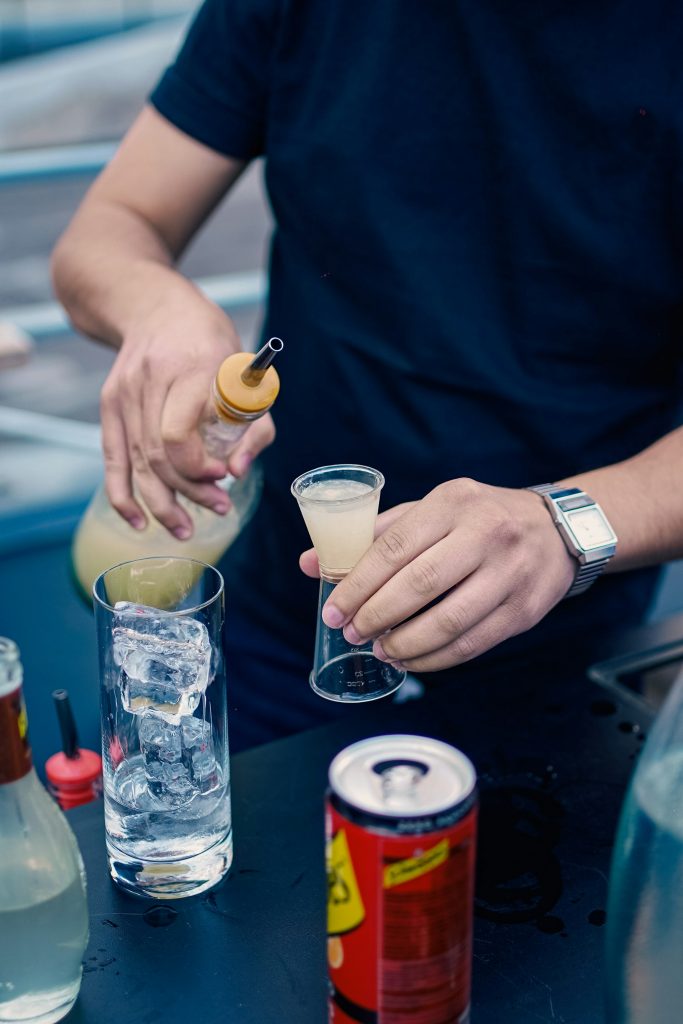
In some situations, customers round up the total slightly, especially if the amount is already close to a whole number. This is more about convenience than calculation. For example, leaving small change when paying in cash is considered polite but not required.
If there is table service, particularly in cocktail bars or more upscale venues, rounding up or leaving a modest amount for attentive service feels appropriate. The setting becomes closer to a restaurant experience, where interaction and attention play a bigger role.
You may also see a tip jar on the counter. Contributing is optional and treated as a friendly gesture rather than a social rule. Overall, tipping in Lisbon’s bars reflects the same principle found elsewhere in the city: appreciation for good service, without rigid expectations.
Hotels and Accommodation
In Lisbon hotels, tipping is situational rather than automatic. There is no expectation to leave money during standard interactions such as check in, asking for directions, or requesting basic information at reception. Staff are paid regular wages, and routine service does not require an additional gesture.
When tipping becomes appropriate is usually tied to personal assistance. If a porter helps with luggage, especially in larger hotels or properties located on Lisbon’s steep hills where carrying bags can be challenging, leaving a small amount for the specific help is polite. The tip is linked to the action rather than to the overall stay.
Housekeeping is another area where guests sometimes choose to leave something extra. This is entirely optional and typically done at the end of the stay or occasionally per day during longer visits. The amount is usually modest and reflects appreciation for attentive cleaning rather than fulfilling an obligation.
Concierge services follow a similar logic. If the assistance goes beyond basic recommendations and involves securing hard to get reservations, arranging special experiences, or resolving a complicated issue, leaving a tip can acknowledge the extra effort. For routine advice or simple requests, tipping is not expected.
Taxi, Ride Share and Transfers
When using taxis in Lisbon, tipping follows a practical and uncomplicated approach. Most passengers do not calculate a strict percentage. Instead, it is common to round up the fare to a convenient amount, especially if the total is close to a whole number.
For example, if the fare ends slightly below a rounded figure, leaving the small difference is considered polite but not mandatory. Adding a modest percentage for particularly friendly, helpful, or smooth service is appreciated, yet it is not expected in every ride. Drivers are paid according to regulated fares, so tips remain a gesture rather than a requirement.
If you use a ride share app, tipping can usually be added digitally after the trip. This option is entirely voluntary. Choosing not to tip does not create tension or social pressure.
There are also situations where leaving nothing is completely acceptable. If the driver was inattentive, took an unnecessarily long route, or provided poor service, you are not expected to add anything extra. As with other aspects of tipping etiquette in Lisbon, tips for transport services are based on satisfaction rather than obligation.
Tours and Activities
When it comes to guided experiences in Lisbon, tipping depends largely on the format of the tour. On paid group tours, leaving something extra for an engaging and knowledgeable guide is appreciated but not required. If the guide offered clear explanations, answered questions thoughtfully, or added personal insight about Lisbon’s history and culture, many visitors choose to leave a modest additional amount at the end.
Private tours follow a similar logic. If the guide adapts the experience, shares deeper context, or goes beyond the standard itinerary, tipping can reflect that added effort. However, it remains optional and based on how satisfied you felt with the experience.
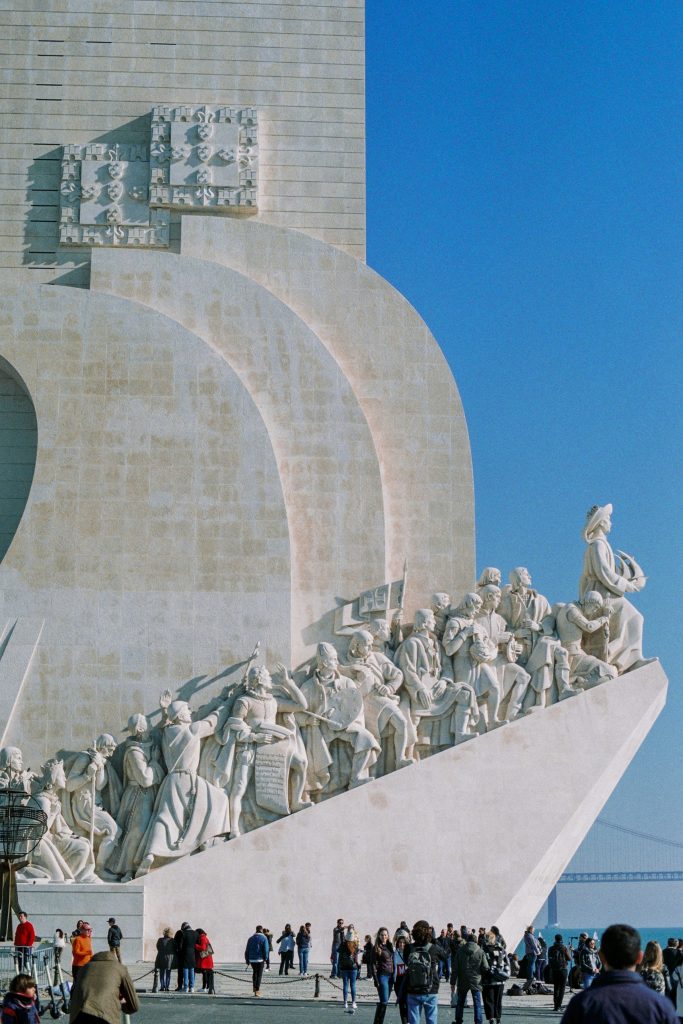
Free walking tours operate differently. Although there is no upfront ticket price, guides typically rely on voluntary contributions. In this case, the tip effectively becomes the main payment, and the amount usually depends on the length, depth, and overall quality of the tour. Visitors often give more in this setting than they would on a paid tour, because the contribution supports the guide directly.
For other activities, such as boat trips, food tastings, or workshops, tipping is situational. If the experience felt well organised and personal, leaving something extra can feel appropriate. If it felt rushed or impersonal, adding nothing is equally acceptable. As in other areas of tipping etiquette in Lisbon, the decision is guided by quality rather than strict rules.
Common Tourist Mistakes in Lisbon
One of the most frequent mistakes visitors make is tipping twice. This usually happens when a service charge has already been included in the bill, but the guest does not notice it and adds another percentage on top. Checking the receipt carefully before paying helps avoid unnecessary extra spending.
Another common habit is tipping according to rules from other countries. Travellers who are used to higher percentage based systems sometimes leave more than local practice suggests. While generosity is appreciated, it is not required at the same level. In Lisbon, moderation aligns better with local customs.
Using foreign currency for tips is also problematic. Leaving money in a different currency may seem convenient for the traveller, but it can create inconvenience for staff. Always tipping in euros ensures the amount can actually be used without extra effort.

Some visitors also feel uncomfortable asking whether a service charge has been added. In reality, politely clarifying this is completely acceptable and not considered rude. It prevents confusion and makes the interaction more straightforward.
Finally, many travellers overthink small situations, such as takeaway coffee or quick counter service. In these cases, tipping is usually optional. Understanding that not every transaction requires a gratuity helps keep the experience relaxed and in line with tipping etiquette in Lisbon.
Quick Checklist Before You Pay
Before leaving the table or confirming a payment, take a moment to review a few simple points:
- Check the bill for service charge, serviço incluído, or any note that gratuity has already been added. If it is included, you usually do not need to add anything more.
- If nothing is included and the service was good, round up the total or leave around 5 to 10 percent in a restaurant. Exact calculations are not necessary.
- In bar counter settings and quick service cafés, tipping is generally not expected. A small contribution to a tip jar is optional.
- In hotels, tip only for personalised assistance such as luggage help or special arrangements. Routine service does not require extra payment.
- For taxis, rounding up the fare is common and sufficient. App based tips remain optional.
- Keep small euro coins or notes if you prefer leaving cash instead of adding the amount through a card terminal.
With these points in mind, tipping etiquette in Lisbon becomes practical and easy to navigate.
Keeping It Simple in Lisbon
Tipping in Lisbon is guided more by balance than by strict rules. It is not built into wages in the same way as in countries where service staff depend heavily on gratuities, yet leaving something extra remains a simple way to recognise attentive and professional service.
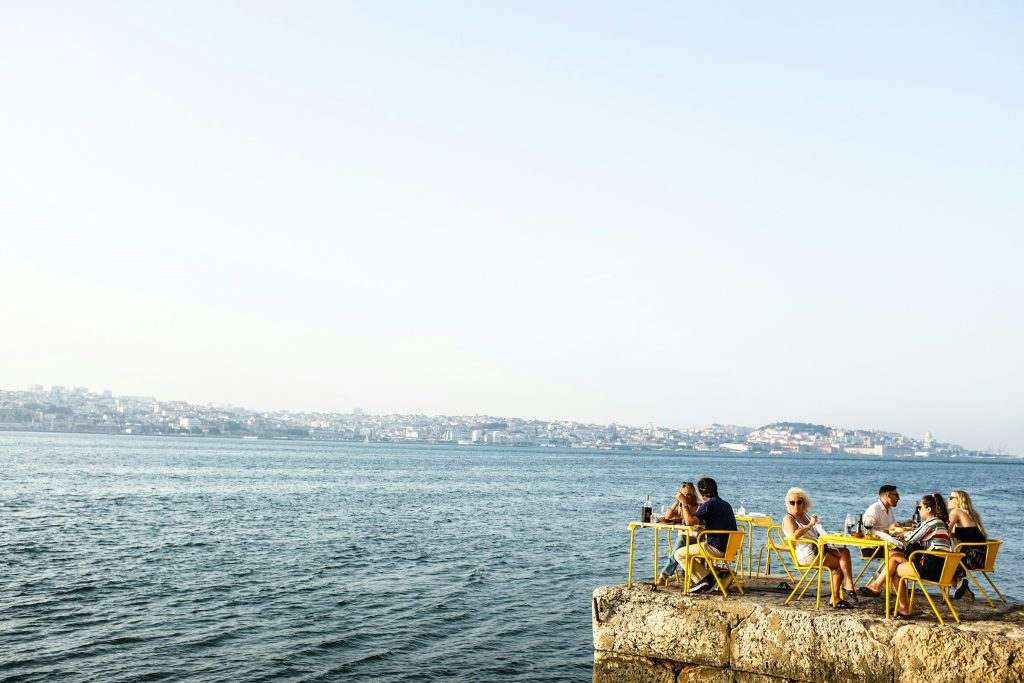
Restaurants are where tipping matters most, especially when no service charge has been added. In cafés, bars, taxis, and hotels, the decision depends largely on the level of personal attention you received. Rounding up the bill or adding a modest amount is often enough to match the experience.
If you find yourself wondering do you tip in Lisbon, the practical answer is yes in certain situations, but rarely out of obligation. Understanding how much to tip in Lisbon comes down to context rather than fixed percentages. Once you grasp the rhythm of tipping etiquette in Lisbon, the uncertainty usually disappears, and the process feels natural rather than complicated.