What to Bring Back from Sicily: A Complete Souvenir Guide
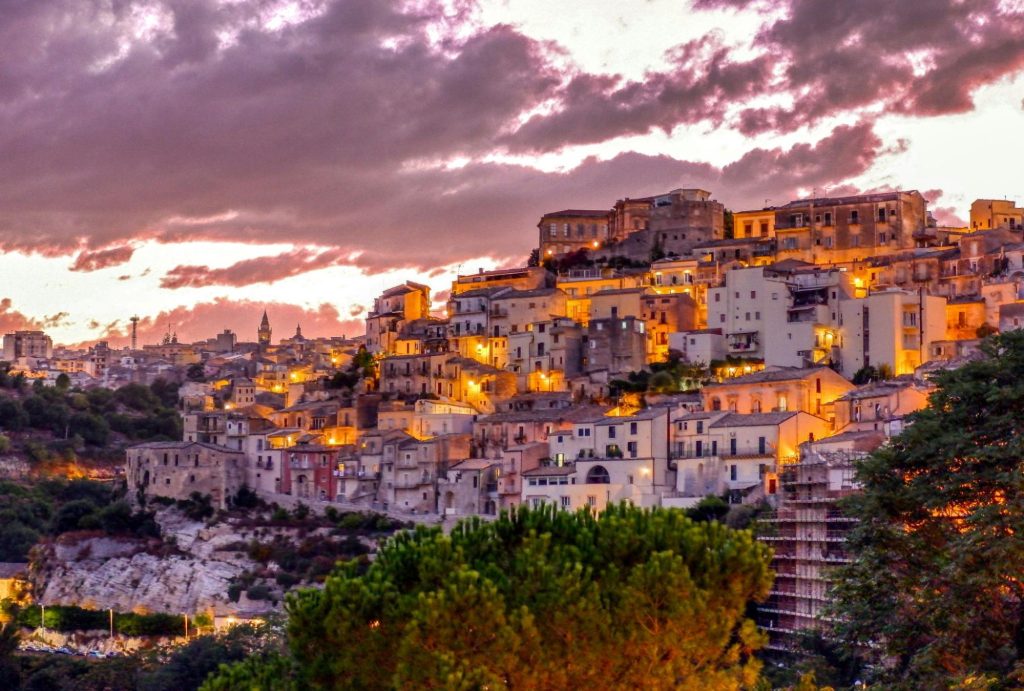
Sicily is not just southern Italy. It’s an island with its own identity, history, and unmistakable character. Arab heritage blends with Italian traditions here, and Mount Etna quite literally shapes what you eat — and what you can bring home.
If you’re wondering what souvenirs to buy in Sicily, you’ll find far more than generic tourist trinkets. From volcanic-grown pistachios and regional wines to handcrafted ceramics rooted in centuries of tradition, this guide covers what is truly worth buying — and how to bring it home without hassle.
Short on Time? Here’s What to Buy in Sicily
Best edible souvenirs
- Pistachio di Bronte — whole pistachios or pistachio cream grown on the volcanic slopes of Mount Etna
- Capperi di Pantelleria — intensely aromatic capers from the island of Pantelleria
- Almond sweets from Avola — marzipan, torrone, and traditional sugar-coated almonds
Best presents with Sicilian vibe
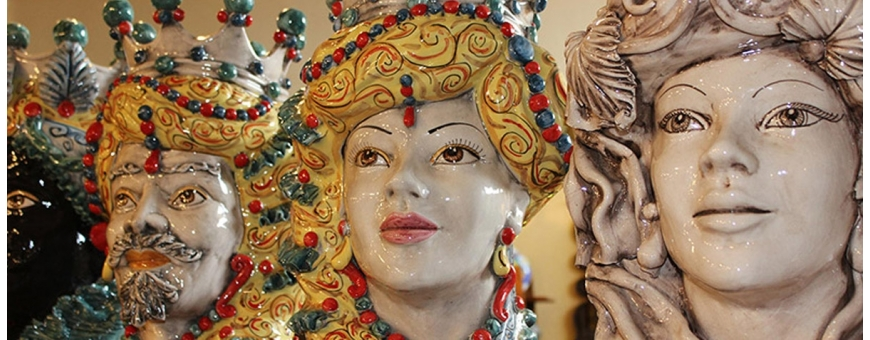
- Testa di Moro — iconic hand-painted ceramic heads that have become a symbol of Sicily
- Etna lava stone ceramics — decorative plates, serving pieces, and tiles made from volcanic stone
Best gifts for colleagues
- Small boxes of almond biscuits or marzipan
- A compact jar of pesto di pistacchio
Best budget-friendly option
- A small accessory featuring the Trinacria symbol
What to buy on your last day or at the airport
- Marsala or Nero d’Avola in secure packaging
- Properly packaged sweets such as almonds, torrone, or pistachio spreads
What’s better to skip
- Coral or sea-themed souvenirs without clear proof of legal origin
Top Outstanding Souvenirs from Sicily
1. Testa di Moro
These iconic ceramic head vases are more than décor, they’re part of a Sicilian legend about love and betrayal. In Caltagirone’s historic centre, small artisan studios still hand-paint each piece using centuries-old techniques. Bold, dramatic and instantly recognisable, they capture the theatrical soul of the island. The most authentic pieces come from artisan workshops in Caltagirone, Sicily’s historic ceramic capital, where hand-painting traditions date back centuries.
Where to buy: Artisan workshops in Caltagirone or reputable ceramic stores in Palermo and Catania.
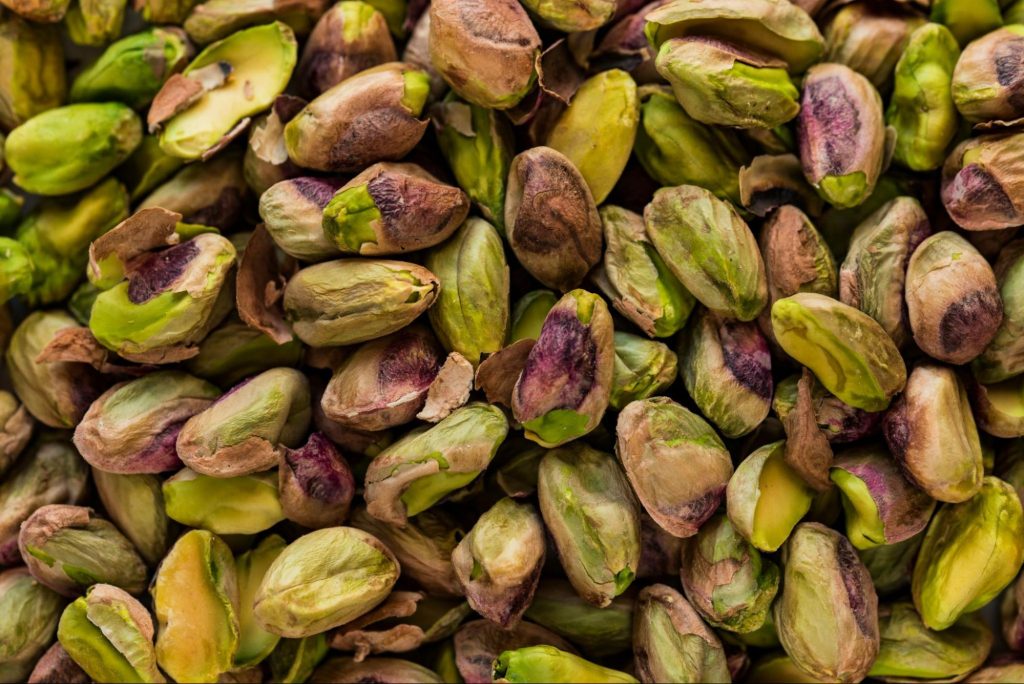
2. Pistachio di Bronte
Often called “green gold,” Pistachio di Bronte grows on the volcanic slopes of Mount Etna. Its intense flavour and limited production make it one of Sicily’s most prized ingredients. Look for DOP-certified products for authenticity.
Where to buy: Farm shops in Bronte, Etna-area producers, or trusted gourmet stores.
3. Modica Chocolate
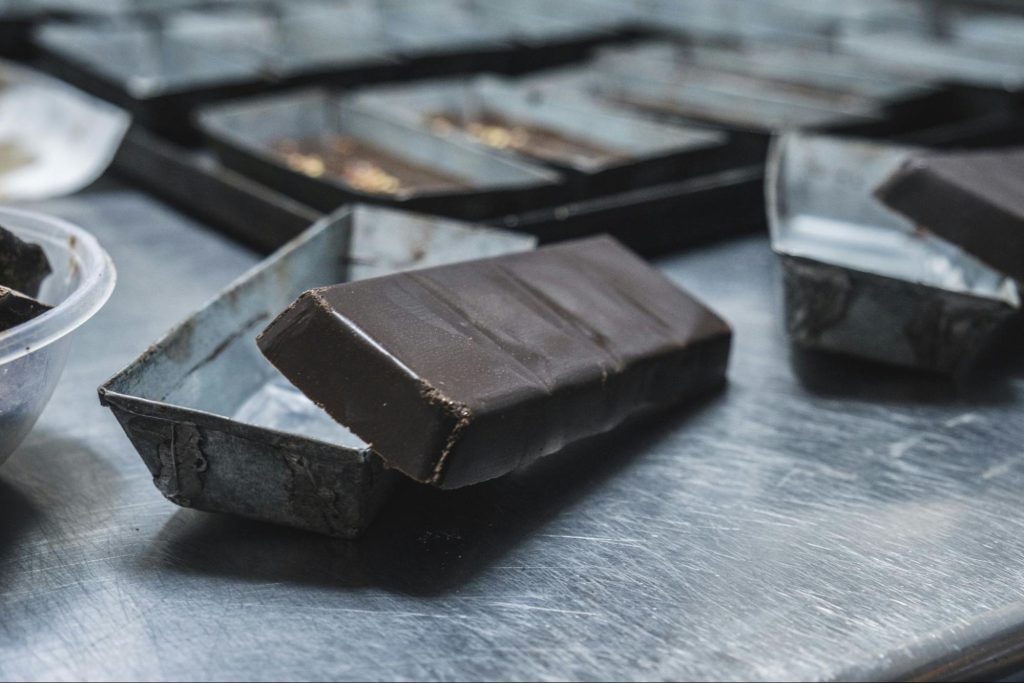
Produced using an ancient cold-processing method introduced during Spanish rule, Modica chocolate keeps its distinctive grainy texture and bold cocoa taste. It feels historic yet surprisingly modern. Antica Dolceria Bonajuto, founded in the 19th century, is one of the island’s best-known producers.
Where to buy: Specialised chocolate shops in Modica or high-quality gourmet boutiques.
4. Marsala
This fortified wine from western Sicily carries notes of caramel, dried fruit and toasted nuts. With historic producers such as Florio shaping its legacy, Marsala remains one of the island’s most traditional exports. In the coastal town of Marsala, historic wine cellars still offer tastings in centuries-old stone warehouses, where the scent of oak barrels lingers in the air. A good bottle feels both practical and symbolic — easy to share, yet deeply rooted in local history.
Where to buy: Wine shops, wineries in Marsala, or supermarkets with strong regional selections.
Edible Souvenirs Worth Bringing Home
Beyond pistachios from Bronte and almonds from Avola, Sicily offers many other food products that travel well and capture the island’s bold, sun-driven flavours.
Cannoli Kit
A cannoli kit usually includes crisp pastry shells and the filling packaged separately, so you can assemble the dessert at home without losing that signature crunch. It’s a practical way to bring back one of Sicily’s most iconic sweets.
Where to buy: Pastry shops or gourmet stores; supermarkets offer simpler, more budget-friendly versions.
Pesto di Pistacchio
A rich pistachio sauce used for pasta, bruschetta, or as a spread. Its deep, nutty flavour feels far more distinctive than standard pesto and instantly adds a Sicilian touch to a simple meal.
Where to buy: Farm shops or specialty food stores; cheaper versions often rely on flavourings.
Sicilian-Style Tomato Sauces
Ready-made sauces with capers, olives, aubergine, or anchovies — bold, salty, and unmistakably southern. They make it easy to recreate a Sicilian-style dinner at home.
Where to buy: Supermarkets with regional sections or gourmet shops.
Dried Oregano from the Mountain Regions
More aromatic and intense than standard herbs, often sold in rustic bunches. A small purchase, but one that brings the scent of the island into your kitchen.
Where to buy: Local markets or small farm shops.
Torrone
Traditional nougat made with almonds or pistachios, sometimes with a hint of citrus. It comes in soft or crunchy versions and doesn’t require refrigeration, making it an easy edible gift.
Where to buy: Pastry shops or supermarkets.
Drinks Worth Bringing from Sicily
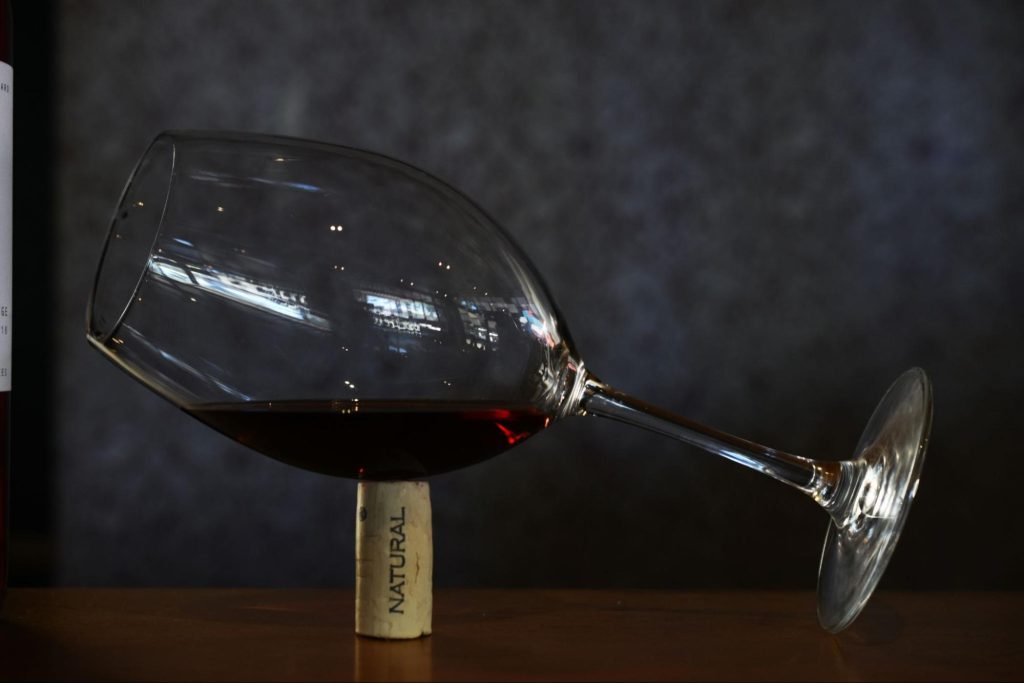
Beyond Marsala, Sicily produces wines shaped by volcanic soil, sea breezes, and intense southern sun. Some are bold and warm, others surprisingly fresh and mineral.
If you’re deciding what to bring back from Sicily, a well-chosen bottle of local wine is one of the most meaningful — and practical — souvenirs.
Nero d’Avola
Often described as Sicily in a bottle, Nero d’Avola is full-bodied, with ripe berry notes and gentle spice. It’s expressive but approachable — the kind of wine you can open at home and instantly be reminded of warm Mediterranean evenings.
Where to buy: Supermarkets with strong wine sections (usually better value) or specialised wine shops for a wider selection.
Etna Rosso
Produced on the slopes of Mount Etna, this wine surprises many travellers. Despite coming from a southern island, it often feels lighter and more mineral-driven, with elegance and freshness shaped by volcanic terrain.
Where to buy: Wineries in the Etna region or specialised wine stores.
Passito di Pantelleria
A sweet dessert wine with aromas of honey, dried apricot, and sun-ripened fruit. It’s not an everyday bottle, but something to open slowly — perhaps with cheese or dessert — when you want a small reminder of Sicily.
Where to buy: Wine shops or gourmet stores with regional selections.
Malvasia delle Lipari
More aromatic and layered, with floral hints, honey, and dried fruit. Rich but not heavy, it’s a wine best enjoyed in small, unhurried sips.
Where to buy: Specialised wine shops or stores focusing on regional wines.
Handmade and Traditional Crafts in Sicily
Sicilian craftsmanship goes far beyond decorative ceramics. The island has preserved centuries-old traditions shaped by Arab and Norman influences, baroque aesthetics, and folk storytelling.
Many of these pieces are genuine traditional Sicilian souvenirs, created using techniques passed down through generations rather than produced for tourist stalls.
Etna Lava Stone Crafts
Volcanic stone from Mount Etna is transformed into striking decorative pieces — from serving plates and wall tiles to tables and jewellery details. The dark, porous surface contrasts beautifully with bright Sicilian patterns, creating objects that feel both raw and refined at the same time.
Workshops in Catania and towns around the Etna region specialise in lava stone craftsmanship, often combining traditional ceramic decoration with volcanic material.
Where to buy: Artisan studios in Catania and Etna-area towns; specialised craft stores focusing on local materials.
Carretto Siciliano (Miniature Traditional Carts)
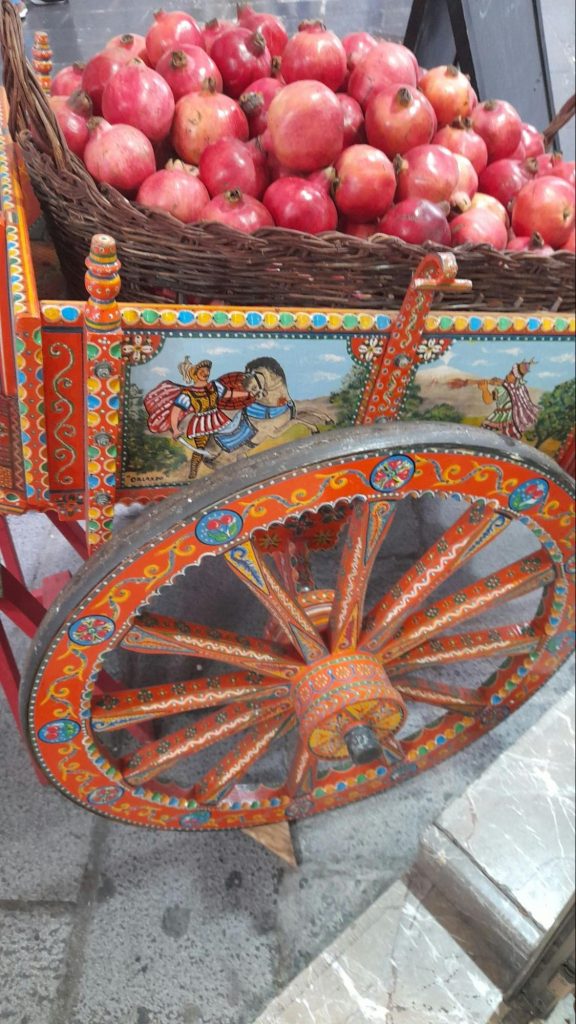
The brightly painted Sicilian cart is one of the island’s most iconic folk symbols. Once used for transport and decorated with scenes from history and legend, today its miniature versions make striking home accents.
Price range: Mid-range to high, depending on detail and whether the piece is hand-painted. Where to buy: Artisan workshops or specialised stores focused on traditional décor.
Coral Jewellery from Trapani
Trapani has a long-standing coral craftsmanship tradition. Red Mediterranean coral is shaped into jewellery and decorative pieces using refined techniques. In Trapani’s historic centre, family-run ateliers such as Platimiro Fiorenza continue this centuries-old craft, working with sustainably sourced Mediterranean coral and traditional techniques.
Price range: High; genuine coral is never inexpensive.
Where to buy: Certified jewellery stores, ideally with proof of origin.
Opera dei Pupi (Traditional Sicilian Puppets)
These knightly puppets belong to Sicily’s historic puppet theatre. Representing medieval heroes and epic battles, they remain an important part of local cultural heritage. Smaller decorative versions make distinctive keepsakes.
Price range: Mid-range and above; authentic handcrafted pieces cost more than mass-produced copies.
Where to buy: Workshops specialising in puppet theatre or artisan craft shops.
Wood Carving
Decorative panels, frames, and small figurines featuring traditional motifs, often inspired by religious or folk themes.
Price range: Mid-range; intricate handmade work costs more than factory-made alternatives.
Where to buy: Artisan shops in historic town centres.
Lace and Hand Embroidery
Delicate lace runners and embroidered textiles made using traditional techniques. They offer a subtle and elegant connection to Sicilian heritage.
Price range: Mid-range; detailed handwork is priced higher than machine-made items.
Where to buy: Small craft boutiques or local artisan brands.
How to Tell If It’s Not a Cheap Imitation
- Genuine handmade items are rarely perfectly identical — slight asymmetry is normal.
- If the price seems suspiciously low for complex craftsmanship, it is likely mass-produced.
- Check labels and origin details whenever possible.
- For coral, always ask for documentation confirming legal sourcing.
- In true artisan workshops, sellers can explain the production process and materials in detail.
Beauty Products with a Sicilian Identity
While Sicily is best known for food and crafts, some beauty products also reflect the island’s natural ingredients and landscape.
Blood Orange Skincare (Arancia Rossa)
Products made with Sicilian blood orange extract are valued for their fresh, slightly sweet citrus scent and antioxidant properties. Compared to sharp lemon-based formulas, they tend to feel softer and more balanced.
Price range: Budget to mid-range, depending on brand and formulation.
Where to buy: Pharmacies, natural beauty stores, or local Sicilian brands.
Lava-Based Body Scrubs from the Etna Region
Some local brands use finely ground volcanic stone or mineral-rich ingredients from the Etna area. These scrubs have a dense texture and are positioned as deep-cleansing treatments inspired by the island’s terrain.
Price range: Mid-range; niche natural brands may cost more.
Where to buy: Natural beauty stores or producers near the Etna region.
What to Bring Back from Sicily for Different People
Choosing souvenirs becomes easier when you think about who you’re buying for. From edible treats to meaningful crafts, Sicily offers options that suit different tastes and budgets.
For Family
- A Cannoli kit, so you can fill the shells together at home.
- Torrone or almond biscuits, perfect with coffee or tea.
- A bottle of Moscato di Noto for those who enjoy lighter sweet wines.
- A decorative ceramic plate with traditional motifs as a lasting keepsake.
For Friends
- Pesto di pistachio — distinctive and unexpectedly versatile.
- Modica chocolate in flavours like chilli or cinnamon.
- Lava stone jewellery — minimalist yet meaningful.
- A miniature Carretto Siciliano model for a colourful interior touch.
For Colleagues (Small and Easy to Carry)
- Almond biscuits in compact packaging.
- Small packets of dried oregano or local spice blends.
- Individual bars of Modica chocolate.
- Small jars of tomato sauce, well protected for travel.
For Children
- Small decorative Opera dei Pupi figurines in simplified versions.
- Colourful decorative items featuring traditional Sicilian patterns.
- Almond biscuits without alcohol.
- Compact sweet gift sets.
Where to Buy Souvenirs in Sicily
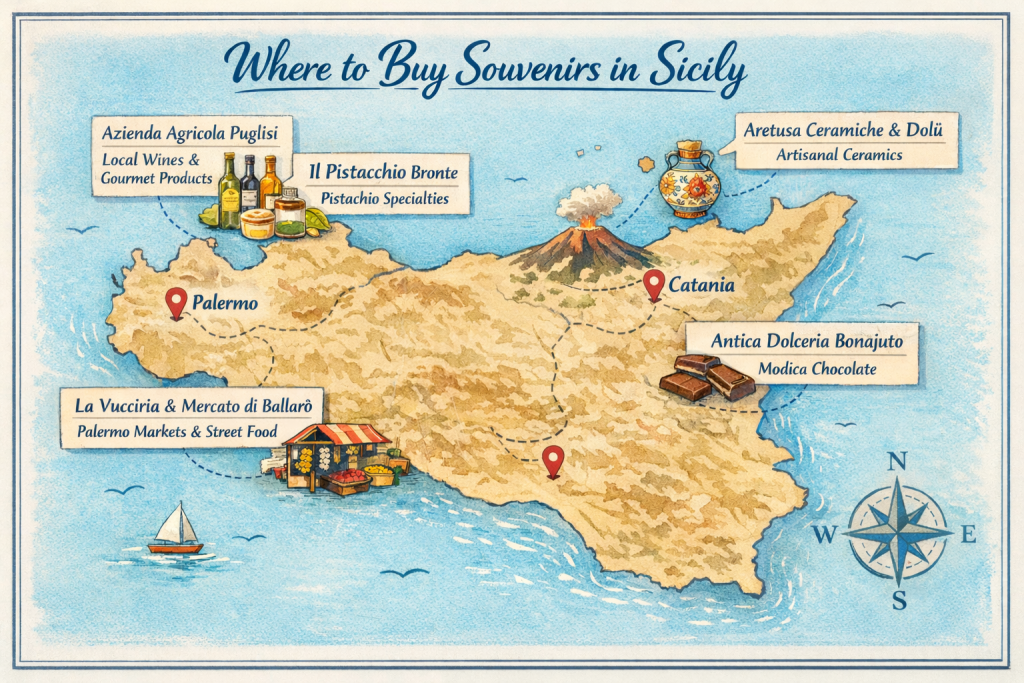
Markets and Local Street Stalls
Lively and atmospheric, weekly markets are excellent for spices, dried oregano, capers, nuts, and other simple food products. Mornings are the best time to visit. Bargaining is common, especially for non-food items, but should be done politely. Keep in mind that many crafts sold in central markets may be factory-made rather than locally produced.
Specialised Shops, Artisan Workshops and Local Brands
For ceramics, textiles, Opera dei Pupi, or lava stone pieces, it’s worth seeking out dedicated craft shops or artisan studios, ideally a few streets away from major tourist squares. These places usually offer better quality control and more authentic products. Wine shops and gourmet boutiques also tend to carry a carefully curated regional selection.
Supermarkets and Airport Shops
For wine, pistachio cream, tomato sauces, and packaged sweets, supermarkets often provide the best value and a solid regional assortment. Airport shops are convenient for last-minute purchases, particularly bottled wine or boxed sweets, but expect higher prices and a limited range of handmade items.
How to Avoid Overpaying or Buying the Wrong Thing
- If a handmade item is suspiciously cheap, it is probably mass-produced.
- Always check labels and country of origin.
- For food products, review ingredients and expiration dates.
- Inspect glass and ceramic items carefully for cracks or chips.
- Request documentation for coral or other natural materials.
- In highly touristic areas, prices can drop noticeably just a few streets away.
These simple checks can save both money and disappointment.
How to Pack and Bring Souvenirs Home Safely
Liquids and alcohol. Wine bottles, pistachio cream, sauces, and cosmetics over 100 ml must go in checked luggage due to liquid restrictions. Duty free purchases can be carried onboard, but additional rules may apply during layovers. Seal lids tightly and place bottles in a protective sleeve or wrap them in clothing.
Fragile items. Ceramics, glass, and Opera dei Pupi figurines should be packed in checked baggage, ideally inside a rigid box with padding. Position them near the centre of your suitcase to reduce impact risk.
Food products. Dry goods like biscuits, chocolate, nuts, and oregano are generally safe in carry-on if securely packaged. Cream-based or liquid items belong in checked luggage.
Jewellery and small items. Keep these in carry-on luggage, stored in a protective case.
Always check import rules for your destination country before travelling.
What Not to Bring Back
- Open food products without sealed packaging.
- Perishable desserts containing fresh cream unless vacuum-packed.
- Plants, seeds, or natural materials without confirming regulations.
- Coral or sea-related items without legal documentation.
- Counterfeit branded goods.
Import rules vary by country and airline, so it’s always wise to check current regulations before departure.
Final Thoughts
Sicily is an island where souvenirs carry flavour, texture, and story. Whether it’s the mineral depth of a volcanic wine, the intricate patterns of handmade ceramics, or the sweetness of sun-ripened almonds, the best choices reflect the island’s identity.
When deciding what to bring back from Sicily, focus on quality over quantity. A thoughtfully chosen bottle of wine, a jar of pistachio cream, or a handcrafted piece will last far longer in memory than impulse buys.
And even after you return home, a small piece of Sicily will stay with you.