Best Time to Visit Kotor
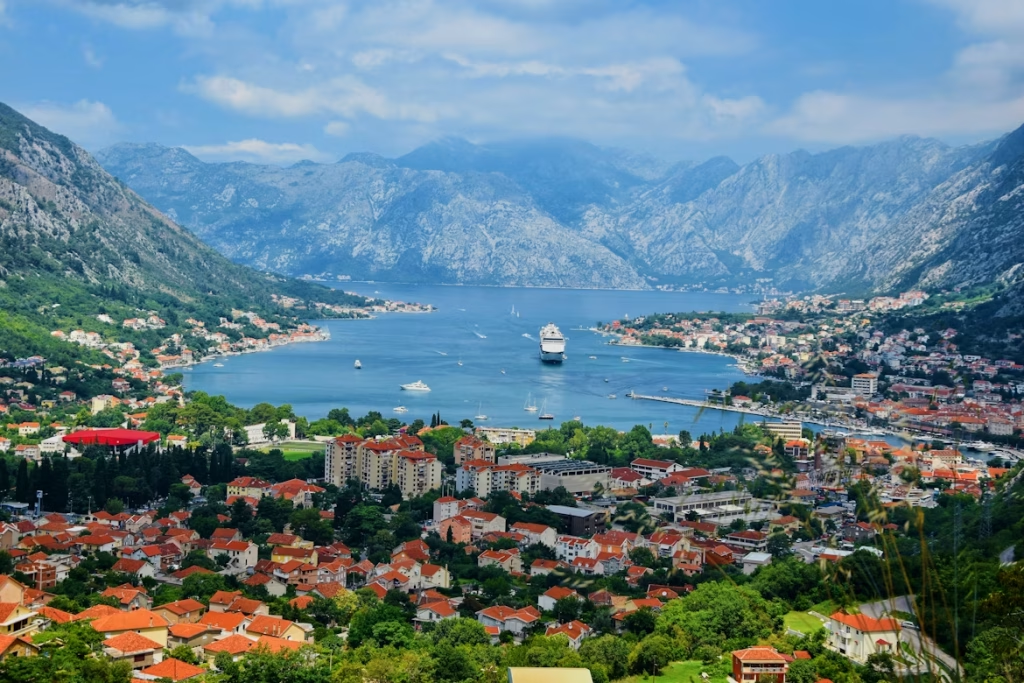
If you are searching for the best time to visit Kotor, you are already thinking ahead — and in this city, timing truly matters. Kotor, located in Montenegro, sits on the edge of the dramatic Bay of Kotor, surrounded by steep limestone mountains and calm Adriatic waters. It is compact, photogenic, and deeply seasonal.
Kotor is part of the Natural and Culturo-Historical Region of Kotor, a UNESCO World Heritage Site. Its medieval fortifications, preserved Old Town layout, Romanesque churches, and Venetian architecture are protected for their cultural value. Because the historic center is enclosed within city walls, seasonal crowd levels are especially noticeable here.
Kotor is part of the Natural and Culturo-Historical Region of Kotor, a UNESCO World Heritage Site. Its medieval fortifications, preserved Old Town layout, Romanesque churches, and Venetian architecture are protected for their cultural value. Because the historic center is enclosed within city walls, seasonal crowd levels are especially noticeable here.
When to Go: Quick Cheat Sheet
Before moving into detailed seasonal analysis, it helps to step back and look at the broader picture. Kotor’s travel year follows a predictable curve: a quiet winter, a gradual spring build-up, an energetic summer peak, and a softer autumn transition. Each period offers a different balance between comfort, cost, and visitor density.
There is no single universal answer to the question of the best time to visit Kotor. The right timing depends on what matters most to you — sea temperature, photography light, hotel rates, or freedom of movement.
Below is a clear summary based on different travel priorities.
Best Time Overall
May, June, September
These months offer the strongest balance between pleasant weather, reasonable prices, and manageable crowd levels.
Best Weather
June and September
Warm sea temperatures, stable sunshine, and comfortable conditions for both sightseeing and swimming.
Cheapest Months
January, February, November
Lowest accommodation rates and minimal cruise traffic.
Fewest Tourists
January to early March
Quiet streets, no queues, and a more local atmosphere.
If You Are Visiting for 2-3 Days
Late April, May, early June, September
These shoulder-season months are particularly efficient for short stays because they combine manageable temperatures with smoother daily logistics and less midday congestion.
Seasonal Guide: What Each Period Really Feels Like
To decide on the best time to visit Kotor, it is important to understand not just temperature averages but how the city actually functions throughout the year. Because Kotor is small, even moderate increases in visitor numbers significantly affect the atmosphere.
Cruise tourism plays a defining role. Ships typically arrive in the morning and depart in the late afternoon. During those hours, the fortress staircase, the main square, and narrow alleys become noticeably busier. In the evening, the atmosphere often softens again, even in summer.
Winter
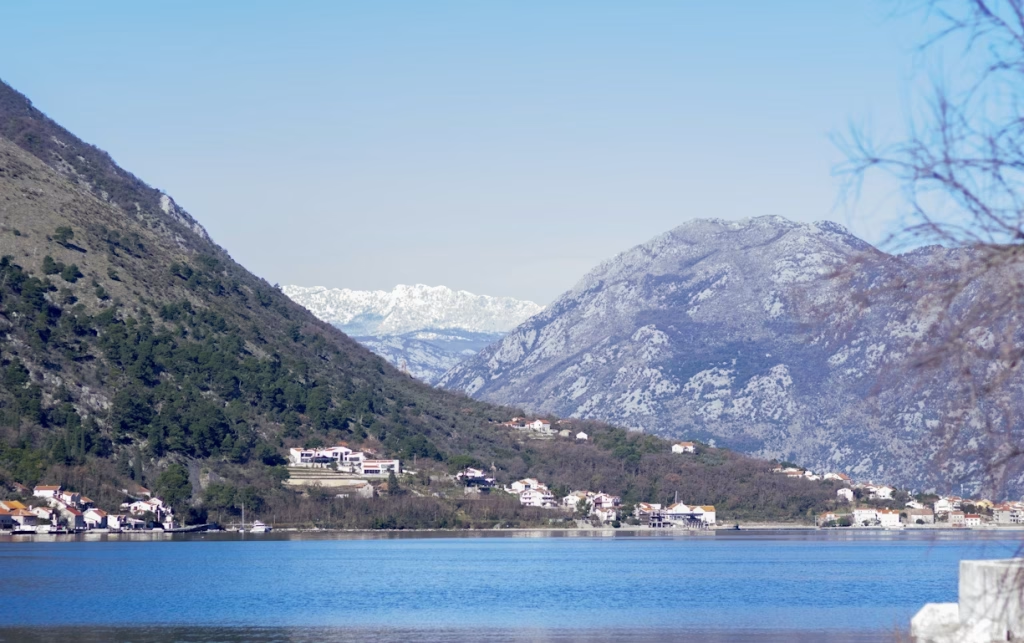
Winter in Kotor feels intimate and calm. While much of Europe experiences freezing temperatures, Kotor remains relatively mild thanks to its coastal climate. The mountains surrounding the bay may appear snow-capped, creating dramatic scenery, but snowfall in town is rare.
This period is ideal for travelers who enjoy slow exploration and photography without pressure. The light is softer, and the reflections on the bay can look particularly striking.
Weather
Daytime temperatures usually range between 8°C and 15°C. Rain is more frequent, especially in January. Wind can occasionally make it feel cooler.
Tourist Flow and City Energy
Cruise ships rarely dock. Streets feel peaceful. Some boutique hotels and smaller restaurants close temporarily, but larger accommodations remain open at reduced rates. The town feels more residential than touristic.
What to Do
- Visit the Maritime Museum and learn about Kotor’s seafaring heritage.
- Explore the historic center without seasonal pressure.
- Walk along the harbor promenade with open views of the bay.
- Take a scenic drive above the city for dramatic winter panoramas.
Winter highlights the architectural and maritime character of Kotor without the intensity of peak tourism.
Spring
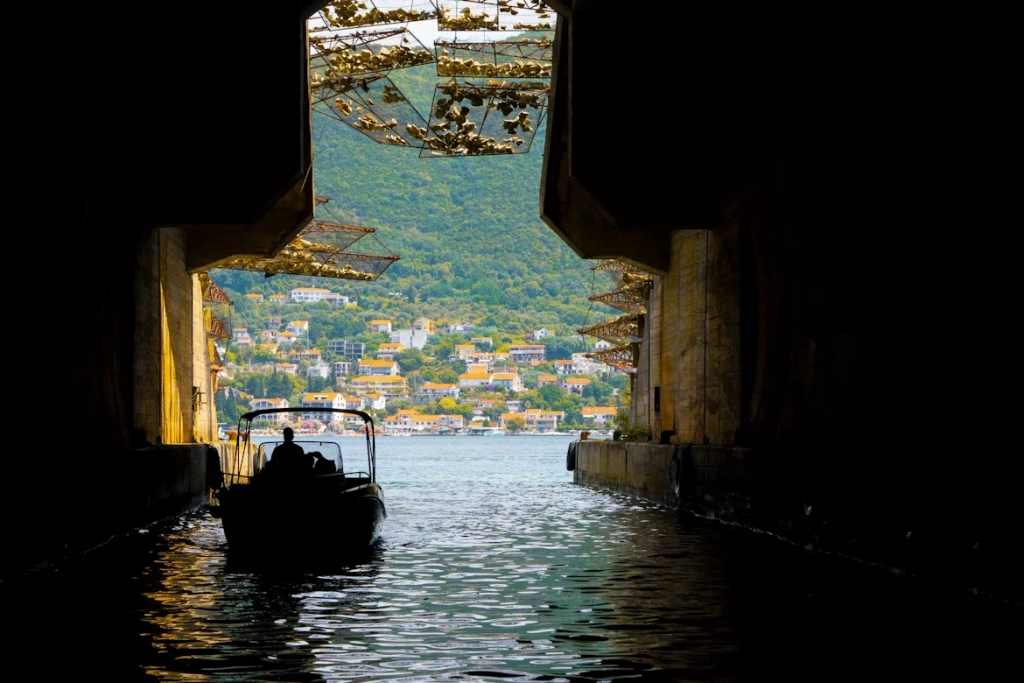
Spring gradually reawakens Kotor. March can still feel transitional, but April introduces longer days and clearer skies. By May, temperatures typically reach 20-25°C, ideal for walking and hiking.
Spring is particularly appealing for active travelers. The fortress climb feels comfortable, and hiking routes in the surrounding hills are enjoyable without summer heat.
Weather
Mild and improving steadily toward late spring. Rain decreases compared to winter.
Tourist Flow and City Energy
Cruise activity resumes in April and increases in May, yet crowd levels remain manageable. Accommodation prices begin rising but stay below summer peaks. Restaurants and tours operate fully by late spring.
What to Do
- Climb the fortress trail and enjoy sweeping views over the bay.
- Visit the Cathedral of Saint Tryphon and nearby Romanesque churches.
- Discover historic palaces and quieter inner courtyards.
- Take short boat rides departing from the harbor.
Spring makes both cultural landmarks and outdoor viewpoints more enjoyable.
Summer
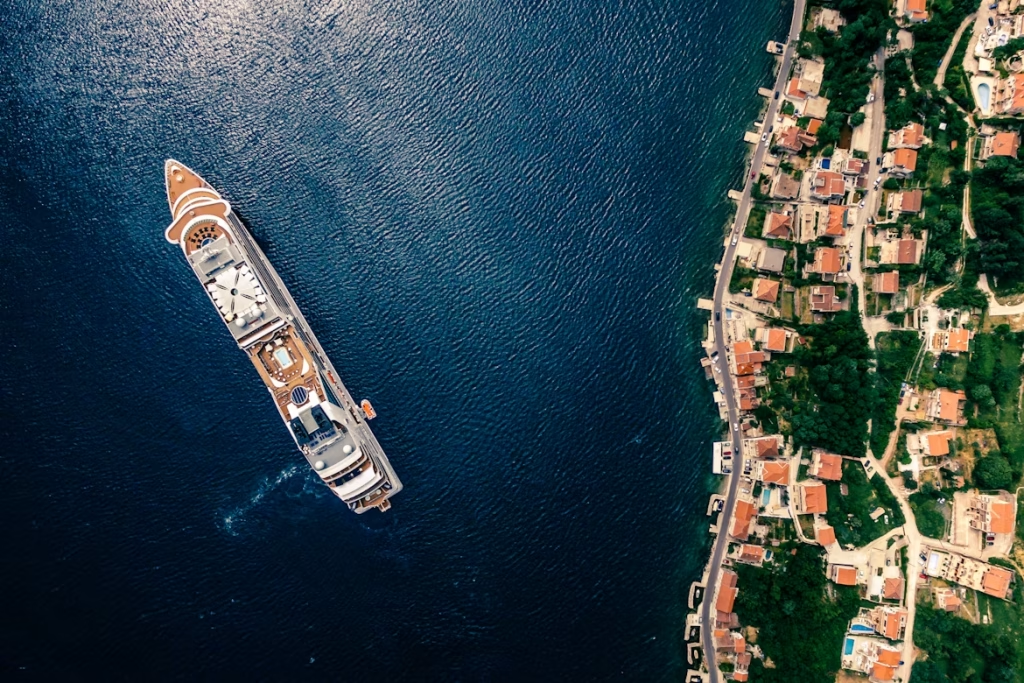
Summer is the most energetic period. Long sunny days and warm sea temperatures create perfect swimming conditions. The waterfront becomes lively in the evenings, and restaurants operate at full capacity.
June often provides the best balance within summer itself. July and August are hotter and busier, particularly during school holidays across Europe.
Weather
Hot and dry. July and August often exceed 30°C. Sea temperatures range between 23-26°C, making swimming very comfortable.
Tourist Flow and City Energy
Mid-June through late August is peak season. Cruise ships dock frequently, especially in July and August. Old Town becomes crowded midday. Restaurant reservations are often necessary. Rental cars become limited.
Evenings feel more relaxed once cruise passengers depart, and the waterfront atmosphere becomes lively but enjoyable.
What to Do
- Swim at nearby coastal access points close to the city.
- Explore shaded stone passages early in the morning.
- Visit museums and historic buildings during midday heat.
- Spend evenings at waterfront cafés as the light softens over the mountains.
Summer emphasizes contrast — stone architecture, bright sea, and long evenings.
Autumn
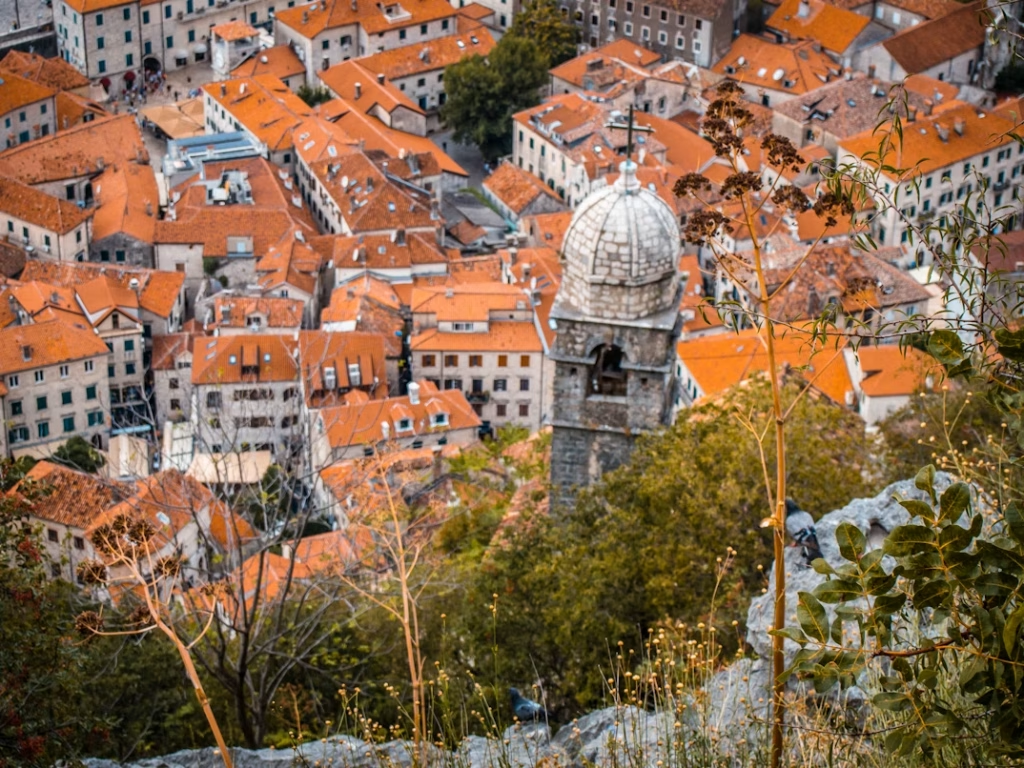
Autumn begins gently. September retains summer warmth and comfortable sea temperatures. October cools gradually but remains pleasant for sightseeing. November becomes wetter and quieter.
September is often described as the sweet spot — warm enough for swimming but noticeably calmer than August.
Weather
Warm in September, mild in October, cooler and wetter in November.
Tourist Flow and City Energy
Cruise frequency decreases after August. Accommodation prices begin to soften mid-September. By late October, the town slows significantly and feels more relaxed.
What to Do
- Walk sections of the city walls in mild weather.
- Photograph rooftops and mountain silhouettes under softer light.
- Visit smaller churches and art spaces at a relaxed pace.
- Enjoy quiet dinners overlooking the harbor.
Autumn shifts attention toward atmosphere and detail rather than activity.
Crowds, Prices, and Booking
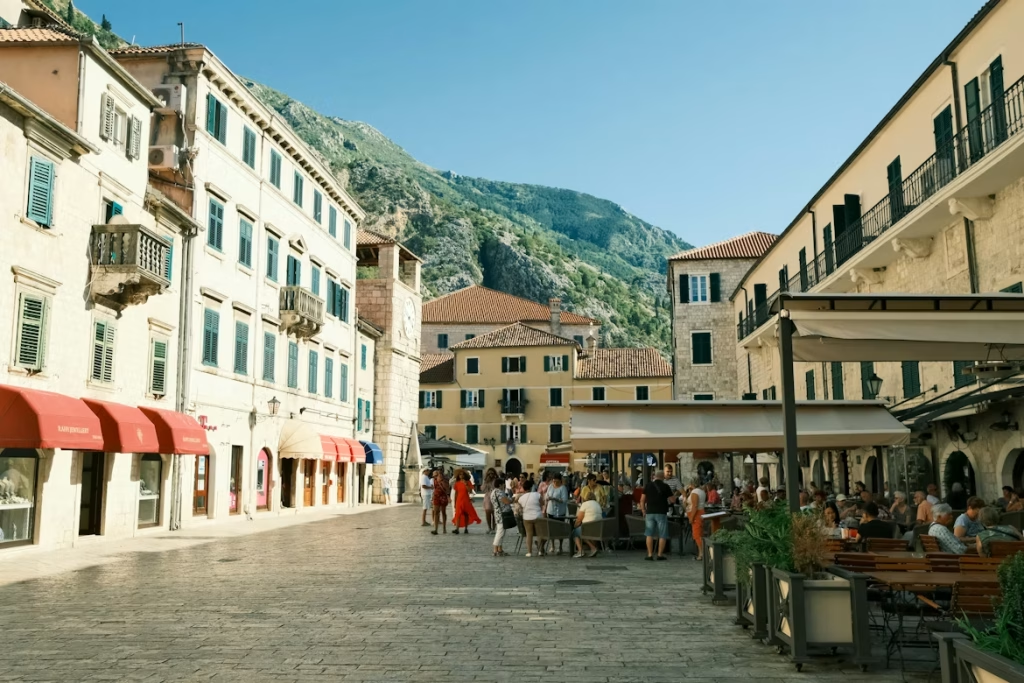
Weather shapes comfort, but logistics shape your overall experience. When choosing the best time to visit Kotor, it’s important to understand how seasonal demand influences availability, pricing, and daily movement around the city.
Peak season runs from mid-June to early September, with the most intense pressure between mid-July and late August. During this period, cruise ships dock frequently, increasing daytime visitor concentration inside the Old Town and along the waterfront.
During high season:
- Multiple cruise ships may dock on the same day, especially in July and August.
- Old Town becomes noticeably busier between late morning and mid-afternoon.
- Parking spaces near the historic center become limited.
- Restaurant reservations are strongly recommended for popular waterfront locations.
- Well-located apartments and boutique hotels tend to sell out early.
Accommodation experiences the most visible seasonal shift. In winter and early spring, private rooms and simple apartments are widely available at moderate rates. As summer approaches, pricing rises steadily. By peak months, comparable properties can cost two to three times more than in low season, particularly inside the Old Town or along the bay. Sea-view apartments, balconies, and properties with private parking are usually the first to reach full occupancy.
Rental cars follow a similar pattern:
- During shoulder season, availability is broad and pricing remains relatively stable.
- In peak summer, demand increases sharply, and automatic vehicles or larger models become limited. Last-minute bookings often result in noticeably higher daily rates.
Flights fluctuate based on seasonal demand as well. The nearest airports are Tivat, Podgorica, and Dubrovnik. Routes to Tivat, in particular, tend to see fare increases during July and August, especially around European school holidays and peak travel weekends.
Planning ahead during high season not only reduces stress — it gives you better choices in terms of location, views, and flexibility.
Booking Timeline
July-August
- Flights: 2-4 months ahead
- Accommodation: 2-3 months ahead
- Rental car: 6-8 weeks ahead
May, June, September
- Flights: 6-8 weeks ahead
- Accommodation: 4-6 weeks ahead
- Rental car: 3-4 weeks ahead
Winter
- Flexible booking
- Confirm tour and restaurant availability
Practical Planning Advice
Staying at least two nights allows you to explore without rushing. Three nights give you time for a day trip. Accommodation just outside Old Town often offers better value and easier luggage access.
Climbing the fortress early morning or late afternoon helps avoid heat and cruise congestion. Renting a car is recommended if exploring beyond coastal towns. Public buses connect Kotor with Budva and Herceg Novi, but mountain destinations are easier by car.
Plan your days strategically in summer: explore the Old Town early, schedule boat trips during peak cruise hours, and enjoy dinners once the streets calm down.
One-Day Experiences in Kotor
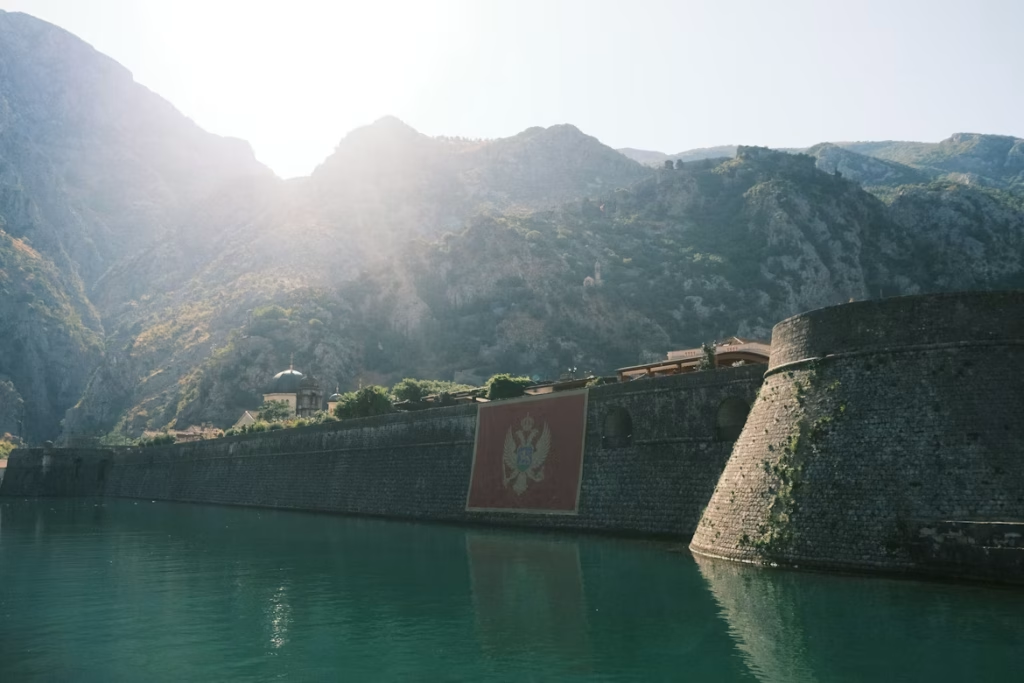
Even within a compact city like Kotor, a single day can be shaped around different themes. Depending on the season and your interests, you can focus on views, architecture, history, or atmosphere.
1. Fortress Sunrise and City Walls Walk
Best months: May, June, September, October
Start early and climb to San Giovanni Fortress before cruise arrivals and summer heat. After descending, continue walking along accessible sections of the fortifications. This route combines panoramic views with historical context and works best in milder temperatures.
2. Maritime and Cultural Heritage Day
Best months: Year-round (especially winter and early spring)
Dedicate the day to Kotor’s maritime legacy. Visit the Maritime Museum, explore Grgurina Palace, and step into the Cathedral of Saint Tryphon. This itinerary is ideal when temperatures are cooler or occasional rain limits outdoor plans.
3. Slow Exploration of the Historic Core
Best months: April, May, September
Spend the day wandering through narrow stone lanes, visiting smaller churches such as St. Luke’s Church, and discovering hidden courtyards away from main squares. Shoulder season provides enough activity to feel lively without overwhelming congestion.
4. Harbor and Waterfront Focus
Best months: June, September
Center your day around the harbor promenade. Combine a relaxed waterfront walk with a short bay boat ride departing directly from the city. Evening light along the water is particularly striking in early summer and early autumn.
5. Architecture and Photography Route
Best months: October, November, February
Use softer seasonal light to photograph rooftops, mountain backdrops, and stone façades. Cooler months offer dramatic skies and fewer visual distractions from crowds.
6. Summer Swim and Evening Atmosphere
Best months: July, August
Plan swimming at nearby coastal access points in the morning, rest during peak heat hours, and return to the center in the evening when temperatures drop and the atmosphere becomes more social.
So, what’s the bottom line?
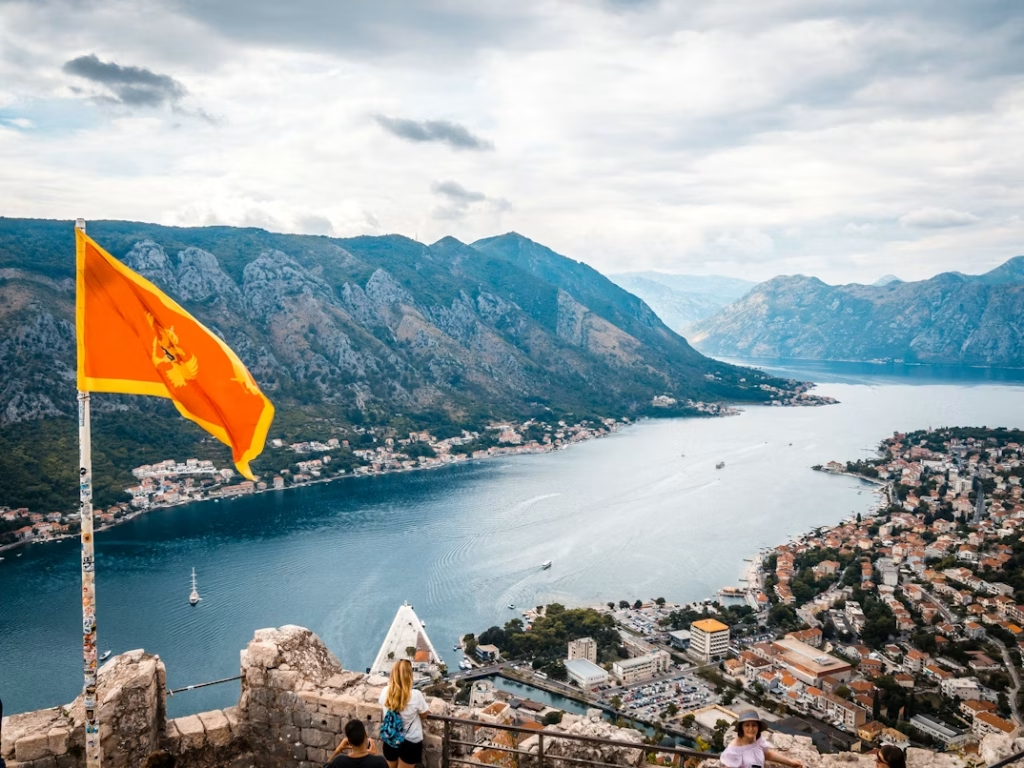
The best time to visit Kotor ultimately depends on the kind of experience you’re looking for. Summer brings warm water, long daylight hours, and an energetic atmosphere along the waterfront, but it also means peak-season rates and busy streets during cruise arrivals. It’s ideal if swimming and vibrant evenings are high on your list — just be prepared to book early and navigate busier afternoons.
May, June, and September offer a more comfortable middle ground. Temperatures are pleasant for climbing the fortress and exploring the Old Town, the sea is inviting, and the overall pace feels lively without being overwhelming. Planning is easier, availability is better, and the city remains fully open and active.
Winter delivers a quieter, slower version of Kotor. You won’t find beach weather, but you will enjoy lower prices and a more local atmosphere. Choosing the right month simply comes down to matching your travel style with the city’s seasonal rhythm — and when you do, Kotor feels exactly as you hoped it would.