Chicago Packing List
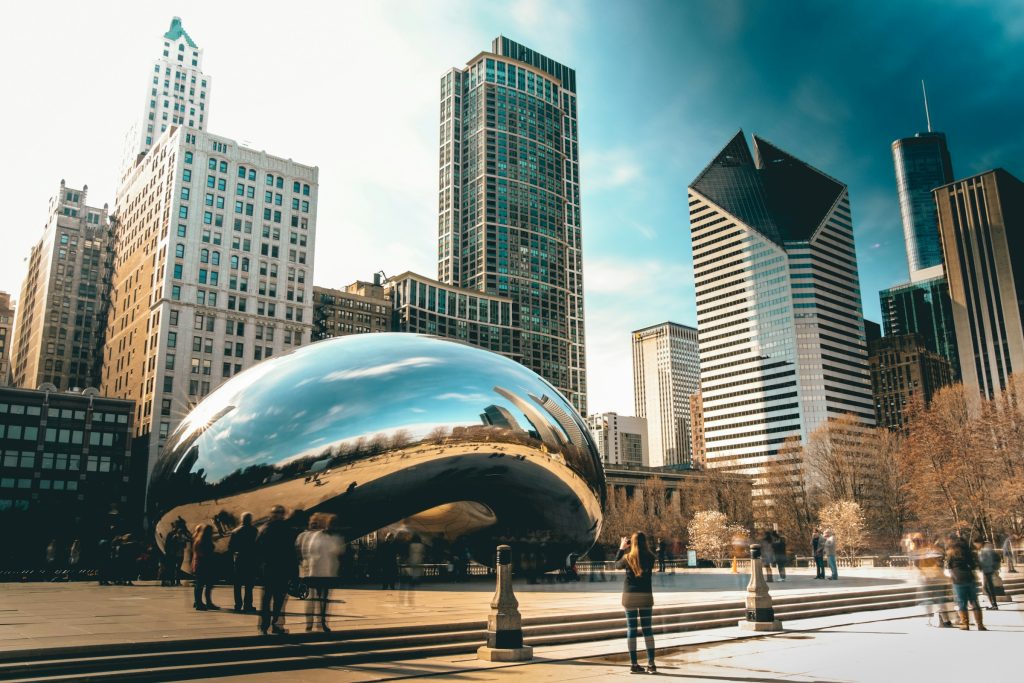
Chicago’s weather has a reputation for changing quickly, and the city’s position along Lake Michigan plays a major role in that pattern. Wind moving across the lake can make temperatures feel colder than forecasts suggest, especially near the shoreline, downtown streets, and open spaces along the lakefront. Because of this, visitors often notice that conditions during a single day can shift more than expected.
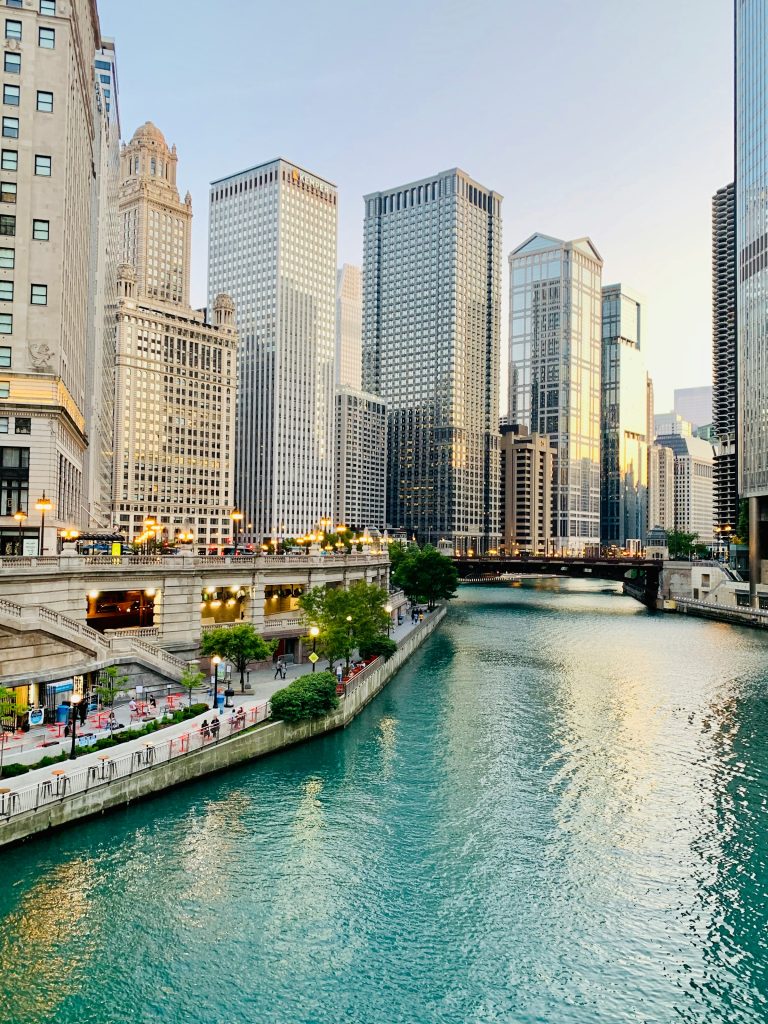
The city is also built for exploring on foot. Many of Chicago’s most famous areas such as Millennium Park, the Riverwalk, the Magnificent Mile, and the Museum Campus are connected by long walking routes that encourage travelers to spend hours outside. Comfortable clothing that adapts to changing weather often becomes more useful than bringing multiple separate outfits.
Packing for Chicago therefore works best when you focus on flexible layers rather than single heavy pieces. This chicago packing list is organized by season and also includes a quick cheat sheet for short trips, along with practical advice on how to dress for the city’s wind, lakefront weather, and long sightseeing days.
Quick Chicago Packing Cheat Sheet
If your visit lasts only a few days, packing can stay simple as long as you prepare for Chicago’s changing lakefront weather and the amount of walking most itineraries include. Many travelers move between areas such as Millennium Park, the Riverwalk, the Magnificent Mile, and the Museum Campus within the same day, which means spending several hours outdoors. Because of this, practical clothing and comfortable footwear usually matter more than bringing many separate outfits.
For a typical three to four day visit, a practical packing list for Chicago often includes:
- supportive walking shoes for long distances between downtown attractions
- breathable T shirts or tops for daytime sightseeing
- long sleeve layer for cooler mornings near Lake Michigan
- light sweater or hoodie for temperature shifts during the day
- seasonal outerwear appropriate for the time of year
- wind resistant jacket for lakefront areas and open streets
- compact umbrella or lightweight rain jacket for passing showers
- sunglasses for bright days along the lake and open parks
- portable power bank for maps, tickets, and navigation
- small day backpack for museums and daily exploring
- reusable water bottle for long sightseeing walks
Many visitors spend time along the lakefront paths connecting Navy Pier, the Riverwalk, and the Museum Campus. These routes are among the most scenic walking areas in Chicago, but they are also more exposed to wind coming across Lake Michigan. A light outer layer in your day bag can make these lakefront walks noticeably more comfortable.
One local detail travelers often notice is how the wind moves through downtown streets surrounded by tall buildings. Even when temperatures appear mild on the forecast, air coming off the lake can make the city feel cooler than expected. Because of this, having at least one extra layer available during the day is useful in Chicago during much of the year.
Chicago Weather and How to Dress
Chicago’s climate is strongly influenced by Lake Michigan, which affects both temperature and wind throughout the year. Weather conditions can change quickly during the day, especially in spring and autumn when cool mornings may gradually warm up before temperatures drop again in the evening. The proximity to the lake also means that different parts of the city can feel slightly different, with lakefront areas often cooler than neighborhoods farther inland.
Wind is one of the most noticeable factors visitors experience in Chicago. Air moving across Lake Michigan often flows through the downtown skyline and along open lakefront paths, creating stronger gusts between buildings and along waterfront parks. During colder months this wind can make temperatures feel significantly lower than the forecast, while in warmer seasons it can bring sudden shifts between warm sun and cooler breezes.
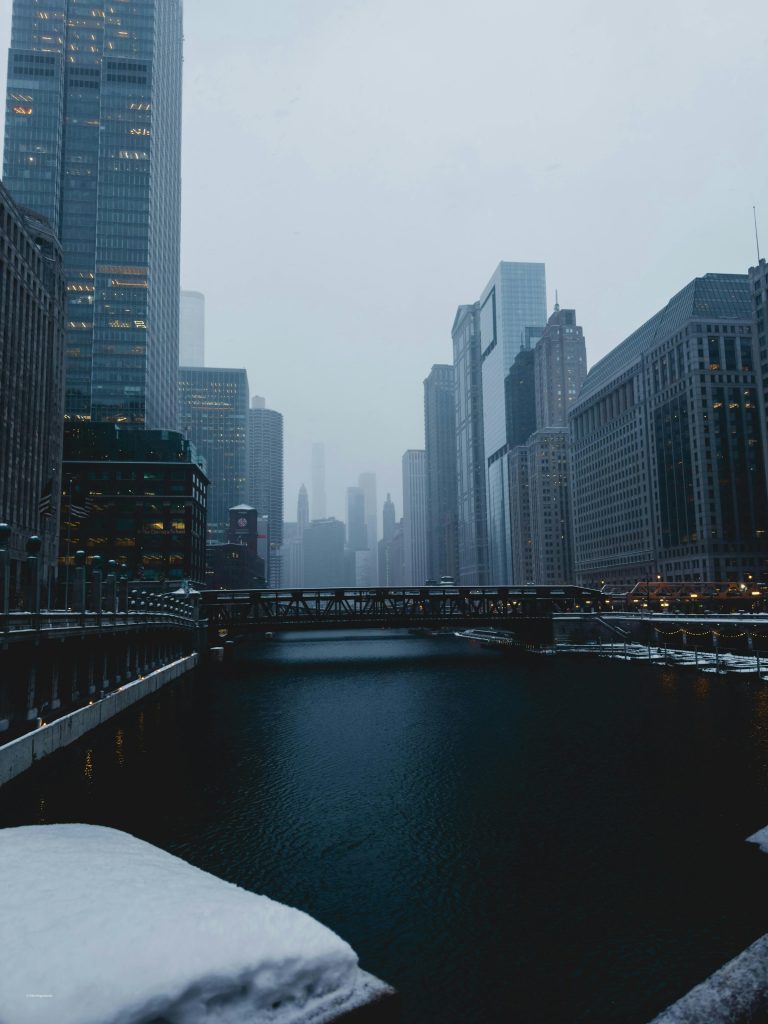
Humidity also plays a role, particularly in summer when warm air from the Midwest combines with moisture from the lake. On hot days this can make the city feel warmer than the temperature suggests, especially when walking long distances between attractions, parks, and museums.
Because of these patterns, dressing in adaptable layers tends to work best for visitors. A lighter base layer combined with one or two additional layers allows travelers to adjust as temperatures change during the day. This approach also helps when moving between outdoor sightseeing and indoor environments such as museums, restaurants, and observation decks where strong heating in winter or air conditioning in summer can create noticeable temperature differences.
Packing List by Season
Spring Packing List
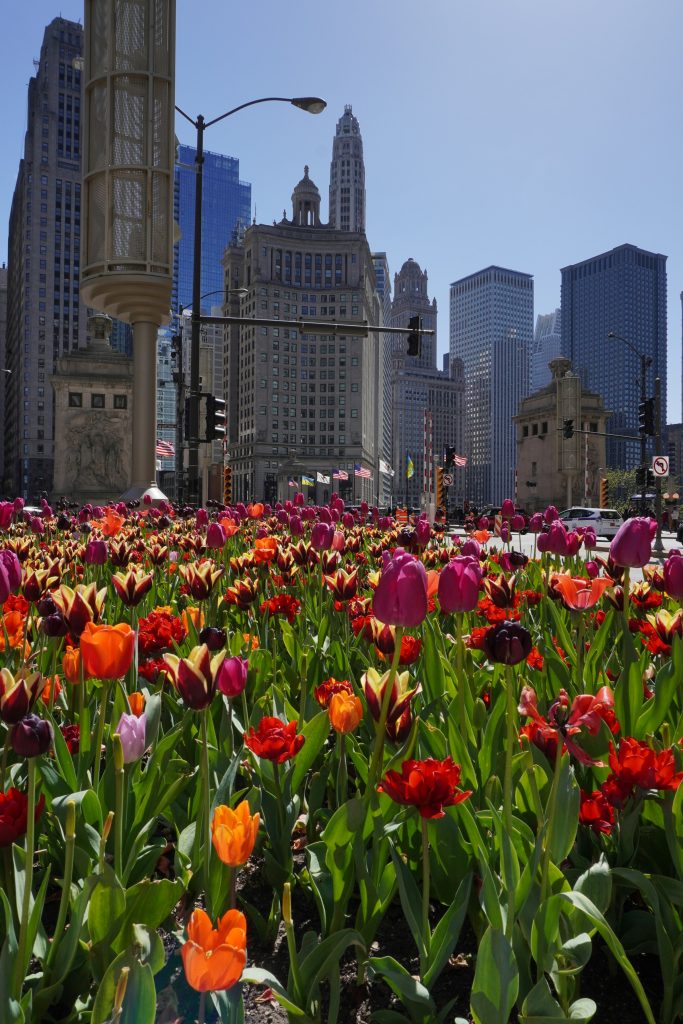
Spring in Chicago usually runs from March through May and is known for sudden temperature swings and windy days near Lake Michigan. Early spring can still feel quite cold, while late April and May often bring milder afternoons. Rain showers are also common during this period, so clothing that handles both wind and light rain is especially practical.
Clothing
- lightweight wind resistant jacket
- long sleeve shirts for layering
- breathable T shirts for warmer afternoons
- light sweater or knit pullover
- hoodie or casual mid layer
- comfortable walking pants or jeans
- lightweight scarf for windy days
- casual shirt or top for restaurants
- breathable base layer for cooler mornings
Footwear
- supportive walking sneakers
- water resistant walking shoes
- lightweight ankle boots
Accessories
- compact umbrella for spring showers
- sunglasses for bright days near the lake
- small backpack for sightseeing
- portable phone charger
- reusable water bottle
- light scarf for lakefront wind
Summer Packing List
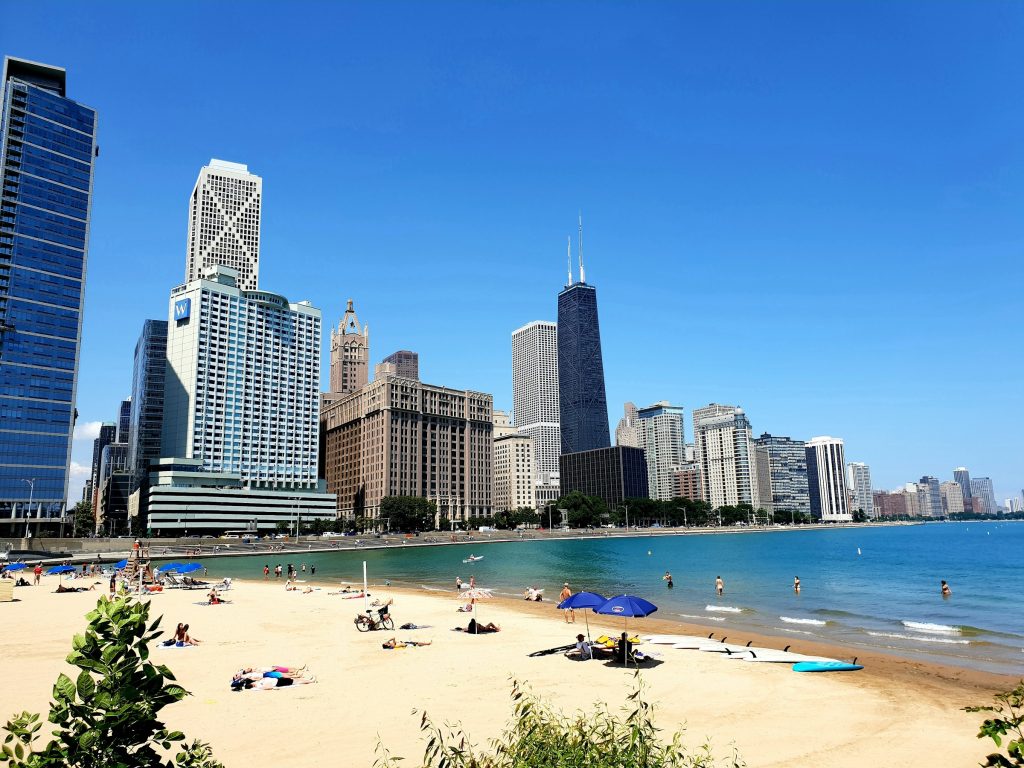
Summer in Chicago typically lasts from June through early September and can be warm and humid. Temperatures often rise during the afternoon, especially in built up downtown areas, while evenings near the lake may feel slightly cooler. Long daylight hours and outdoor attractions mean many travelers spend extended time outside.
Clothing
- breathable T shirts or tops
- lightweight short sleeve shirts
- casual summer dress or relaxed shirt
- shorts or lightweight trousers
- breathable cotton shirts for walking days
- lightweight long sleeve shirt for sun protection
- thin sweater or cardigan for cooler evenings
- comfortable casual pants
- lightweight sleepwear
Footwear
- comfortable walking sneakers
- breathable casual shoes
- lightweight sandals
Accessories
- sunglasses for bright lakefront days
- sunscreen for outdoor sightseeing
- hat or cap for sun protection
- reusable water bottle
- lightweight day backpack
- portable phone charger
Fall Packing List
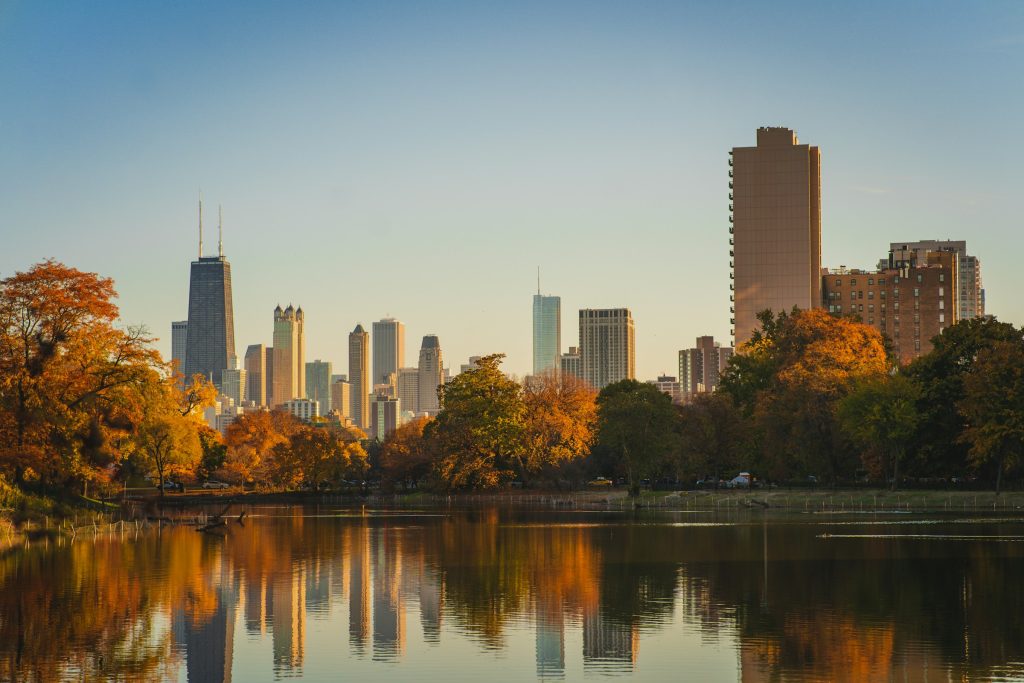
Autumn in Chicago usually runs from late September through November. Temperatures gradually cool, and wind coming across Lake Michigan becomes more noticeable as the season progresses. Early autumn can still feel mild, while late fall often brings colder days and occasional rain.
Clothing
- warm sweater or knit pullover
- long sleeve shirts for layering
- lightweight jacket for early fall
- warmer coat for late autumn
- jeans or thicker pants
- hoodie or fleece layer
- breathable base layers
- warm everyday socks
Footwear
- comfortable walking sneakers
- water resistant shoes
- ankle boots with good grip
Accessories
- compact umbrella for autumn rain
- scarf for windy days
- sunglasses for clear fall afternoons
- small backpack for daily exploring
- portable phone charger
Winter Packing List
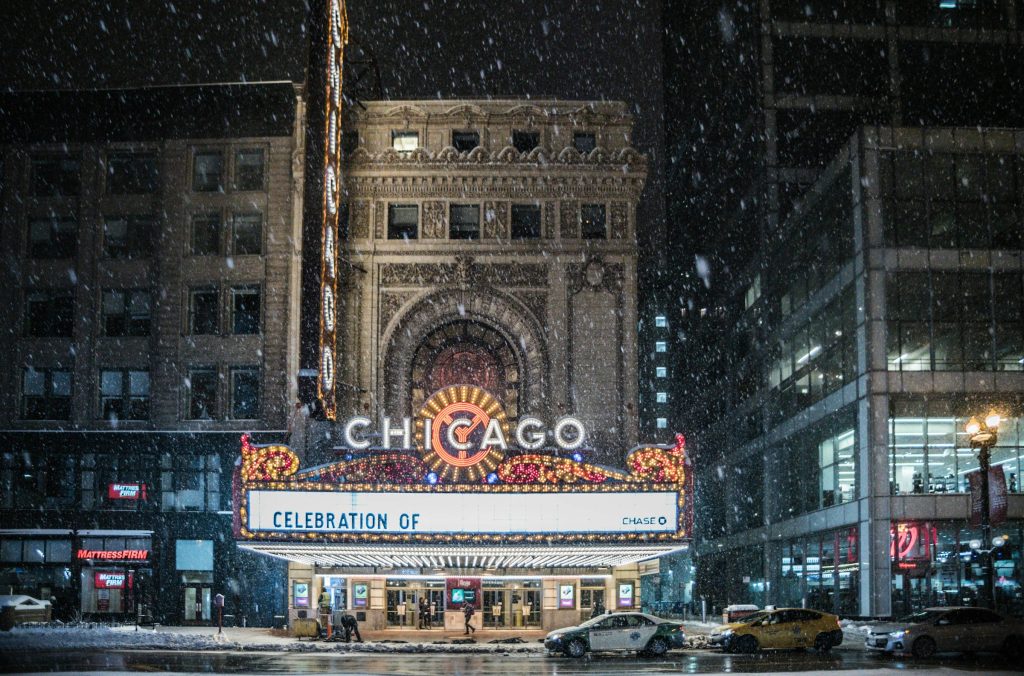
Winter in Chicago lasts from December through February and is known for cold temperatures and strong wind. Snowstorms and icy sidewalks are possible, and wind coming from Lake Michigan can make the air feel significantly colder than the actual temperature.
Clothing
- insulated winter coat
- warm sweaters or fleece layers
- thermal base layers
- long sleeve shirts for layering
- warm pants or jeans
- insulated mid layer such as a hoodie or fleece
- thick winter socks
- extra base layers for colder days
Footwear
- insulated waterproof boots
- winter walking shoes with good grip
- warm lined sneakers
Accessories
- warm knit hat
- insulated gloves or mittens
- scarf for wind protection
- lip balm for cold air
- compact backpack for carrying extra layers
- portable phone charger
What to Pack by Trip Type
Even with a seasonal list prepared, the exact items travelers bring can still change depending on how they plan to experience the city. Chicago itineraries vary widely, from short sightseeing visits around downtown to business travel or full days walking between lakefront parks, museums, and neighborhoods.
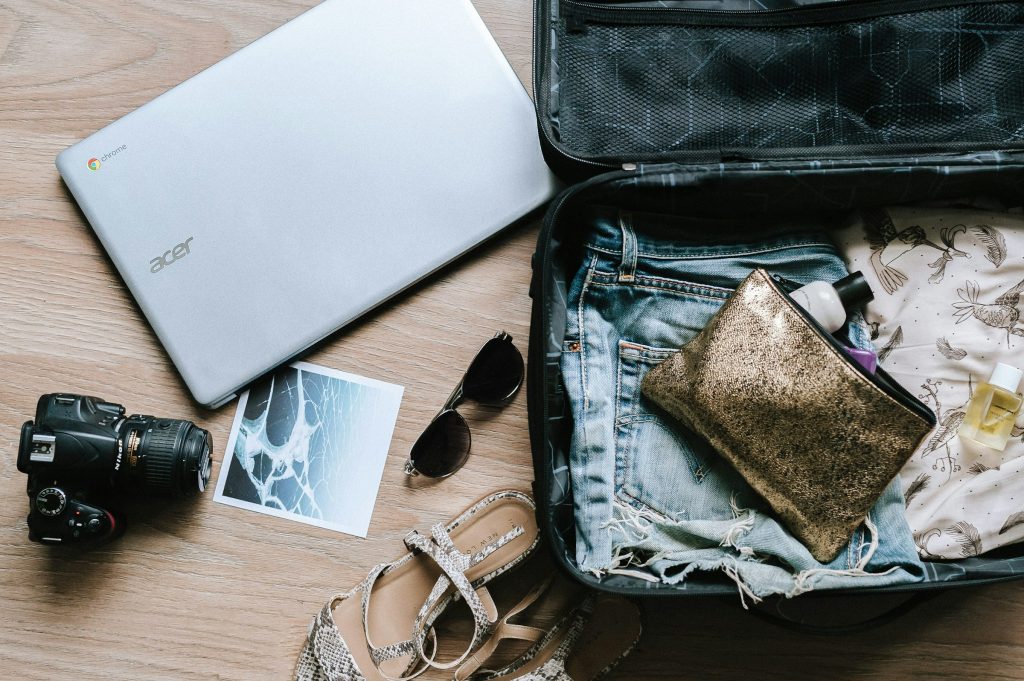
This section focuses only on small additions that depend on the type of trip rather than repeating the clothing already included in the seasonal lists.
Weekend City Break
A short city visit usually focuses on central areas such as Millennium Park, the Riverwalk, the Magnificent Mile, and Navy Pier. Visitors often move between cafés, museums, and viewpoints several times during the day, so compact items that keep daily outings simple can be especially useful.
For a weekend trip, travelers often add:
- compact crossbody bag for busy downtown areas
- foldable tote bag for small shopping stops
- lightweight evening outfit for restaurants or rooftop bars
- portable phone charger for maps and photos
- reusable coffee cup for café stops
- compact travel umbrella for passing showers
Business Trip
Chicago is one of the largest business centers in the United States, with meetings frequently taking place in downtown offices, conference venues, or hotels near the Loop and River North. The atmosphere usually leans toward business casual, although conferences or formal meetings may require slightly more structured clothing.
For a business focused visit, useful additions often include:
- structured blazer or professional outer layer
- polished shoes suitable for meetings and short walks
- wrinkle resistant shirt or blouse
- laptop sleeve or professional backpack
- compact garment bag to protect formal clothing
- portable charger for long meeting days
Walking-Heavy Itinerary
Many travelers explore Chicago mainly on foot, especially when visiting attractions along the lakefront or moving between downtown neighborhoods. Walking routes often include the Riverwalk, Grant Park, Millennium Park, and the Museum Campus, which can easily add up to several hours outside.
Visitors planning long walking days often bring:
- blister prevention patches
- an extra pair of walking socks
- lightweight breathable day backpack
- reusable water bottle for longer routes
- small energy snacks for extended sightseeing
- compact sunscreen for open lakefront areas
With Kids
Chicago offers many family friendly attractions including the Shedd Aquarium, the Field Museum, the Adler Planetarium, and large parks along the lakefront. Traveling with children often means longer sightseeing days that combine indoor museums with outdoor play areas and waterfront walks.
Families visiting with kids often pack:
- wet wipes and tissues for quick cleanups
- small snack containers or travel snacks
- extra clothing layer for cooler lakefront evenings
- collapsible water bottles for children
- small entertainment items for waiting times
- lightweight rain cover for stroller or backpack
Things People Often Forget
Many travelers pack more clothing than they actually use because Chicago’s weather seems unpredictable at first glance. A more effective approach is planning outfits in advance rather than packing individual items randomly. When each piece works with several others, it becomes easier to create multiple combinations without filling your suitcase with unnecessary clothing.
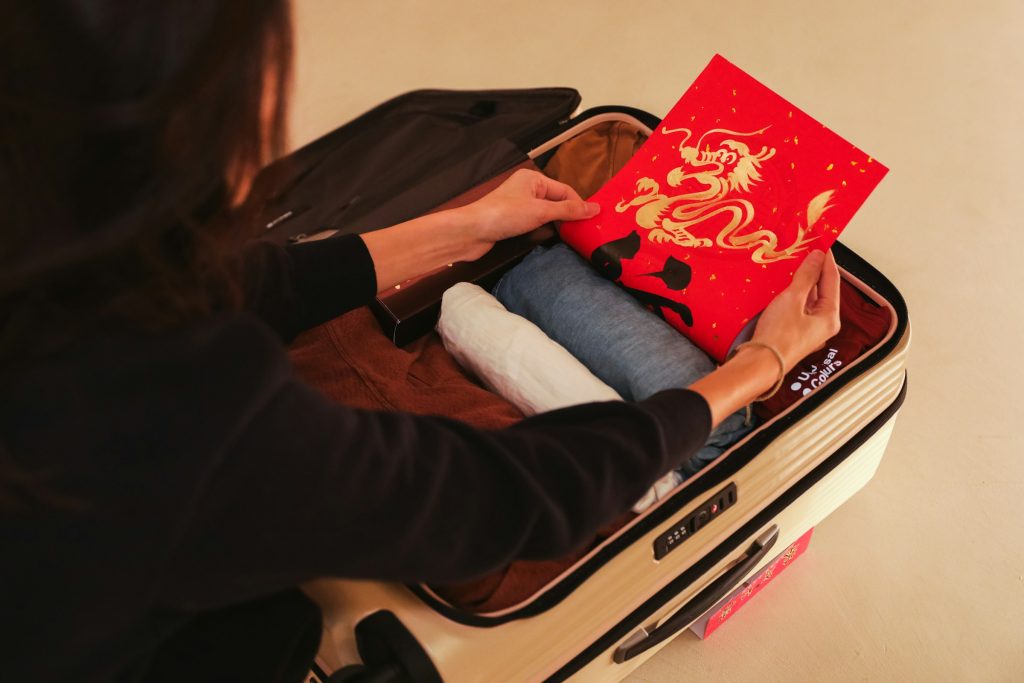
Rolling clothes instead of folding them can also help save space and keep your luggage organized. Packing cubes are especially useful for separating layers, everyday outfits, and seasonal pieces, which makes it easier to adjust your clothing quickly when temperatures change during the day.
Another helpful habit is protecting electronics from moisture and sudden weather changes. Chicago can experience light rain, lakefront humidity, and snow during colder months, so storing devices in protective sleeves or waterproof pouches can help avoid unexpected damage.
Finally, keeping frequently used items near the top of your bag makes daily outings much simpler. Having quick access to an extra layer, a rain jacket, or accessories allows you to adapt quickly if the weather shifts while exploring the city.
Getting Your Chicago Packing Right
Chicago’s weather can shift throughout the day, especially in areas close to Lake Michigan where wind and temperature changes are more noticeable. Because of this, the most reliable approach when preparing for the city is focusing on adaptable clothing rather than packing many separate outfits for different situations.
If you are visiting for the first time and wondering what to pack for Chicago, start with comfortable walking shoes, practical layers, and outerwear that protects against wind or rain. Once those basics are covered, you can adjust packing for Chicago depending on the season and the type of trip you are planning.
Chicago is also a city where daily plans often include a mix of outdoor walks, lakefront parks, and indoor attractions such as museums, observation decks, and restaurants. Travelers frequently move between very different environments within the same day, which makes flexible clothing especially useful.
With a thoughtful approach to packing, it becomes much easier to explore downtown streets, lakefront paths, and cultural attractions without constantly adjusting plans around changing weather conditions.